Showing posts with label Futurist. Show all posts

Monday, 26 January 2026

Closing the Software Loop in a Modern E-Commerce Platform

Most e-commerce systems don’t fail because of bad ideas.

They fail because feedback travels too slowly.

Customers browse products, sellers respond late, admins react manually, and developers discover problems weeks later. By the time a fix is shipped, the business context has already changed.

Closing the software loop means designing your e-commerce platform so that learning, feedback, and improvement happen continuously, not in disconnected cycles.

This idea becomes even more critical when you’re building a multi-seller marketplace with:

  • Admin panels

  • Public user panels

  • Seller dashboards

  • APIs

  • Real-time chat

  • Quotation and negotiation workflows

Let’s break down how closing the loop actually works in a real e-commerce system.


What “Closing the Software Loop” Really Means for E-Commerce

In e-commerce, the loop looks like this:

User behavior → System observation → Business insight → Product improvement → Better user behavior

If any link in this chain is slow or manual, the platform stops learning.

A closed loop system:

  • Observes what users and sellers actually do

  • Converts that behavior into signals

  • Feeds those signals back into decisions

  • Improves itself continuously

This isn’t about analytics dashboards alone.
It’s about operational intelligence baked into the product.


The Admin Panel: Where the Loop Becomes Visible

The admin panel is not just a control screen — it’s the brain of the platform.

A well-designed admin panel shows:

  • Which products are frequently viewed but rarely purchased

  • Which sellers respond slowly to quotations

  • Which chat conversations escalate into disputes

  • Where users drop off during checkout or RFQ flows

Instead of static reports, the admin panel should surface patterns and anomalies.

Example

If admins see that:

  • 60% of RFQs are abandoned after the first seller response

That insight closes the loop by pointing to:

  • Pricing visibility problems

  • Negotiation friction

  • Missing trust signals

The product evolves not because someone guessed — but because the system observed reality.


APIs as Feedback Sensors, Not Just Integrations

APIs are usually treated as plumbing.
In a closed-loop e-commerce system, they are sensors.

Every API call tells a story:

  • Product search frequency

  • Quote submission volume

  • Seller acceptance rates

  • Chat message density

  • Order confirmation delays

When APIs are instrumented correctly, they provide:

  • Business feedback

  • Performance insights

  • Feature demand signals

Example

If quotation APIs receive many “update quote” requests before acceptance, the system learns:

  • Buyers need negotiation flexibility

  • Sellers need better pricing tools

That insight feeds directly back into product design.


User Panel: Behavior Is More Honest Than Feedback Forms

Users rarely tell you what’s wrong.
They show you.

The user panel should silently capture:

  • Where users hesitate

  • Which filters they overuse

  • How often they compare sellers

  • When they switch from “Buy Now” to “Request Quote”

These behaviors are truthful feedback.

Example

If users frequently open chat before submitting a quotation:

  • The UI is missing clarity

  • Pricing terms are unclear

  • Delivery expectations are not visible

Closing the loop means:

  • Detecting that behavior

  • Improving the flow

  • Measuring whether the behavior changes


Multi-Seller Systems: Two Feedback Loops, Not One

A marketplace has two loops:

  1. Buyer loop

  2. Seller loop

Most systems optimize for buyers and forget sellers — which eventually hurts buyers too.

A closed loop marketplace:

  • Tracks seller response times

  • Monitors cancellation rates

  • Observes pricing volatility

  • Detects onboarding friction

Example

If high-quality sellers churn early:

  • Seller tools are weak

  • Analytics are missing

  • Communication is inefficient

That feedback should automatically influence:

  • Seller dashboard UX

  • Notification systems

  • Incentive structures


Chat Systems: Live Business Intelligence

Chat is often seen as support.
In reality, it’s raw business insight.

Chat conversations reveal:

  • Confusion points

  • Missing features

  • Trust issues

  • Pricing objections

  • Delivery concerns

Instead of treating chat as unstructured noise, a closed-loop system treats it as:

  • Product research

  • UX testing

  • Sales intelligence

Example

If many chats contain questions like:

“Can you deliver faster?”
“Is bulk pricing available?”

The system learns:

  • Speed matters more than price

  • Bulk workflows need simplification

The product roadmap writes itself.


Quotation Systems: Where Intent Becomes Explicit

Quotations are high-intent signals.

A quotation system shows:

  • What buyers truly want

  • Where catalog pricing fails

  • Which sellers compete effectively

  • How negotiations evolve

Each quote is structured feedback.

Example

If buyers repeatedly negotiate shipping instead of product price:

  • Shipping cost visibility is broken

  • Delivery promises need granularity

Closing the loop means:

  • Learning from negotiations

  • Refining pricing models

  • Reducing friction automatically


How the Loop Gets Faster Over Time

In early systems:

  • Feedback is manual

  • Decisions are slow

  • Improvements lag behind behavior

In mature closed-loop e-commerce platforms:

  • Signals are automatic

  • Insights are near real-time

  • Improvements happen continuously

The system moves from:

“We think users want this”

to:

“The system observed this pattern 10,000 times”


The Real Goal: A Self-Improving Commerce Platform

Closing the software loop isn’t about automation for its own sake.

It’s about building a platform that:

  • Learns from users

  • Learns from sellers

  • Learns from operations

  • Learns from mistakes

An e-commerce system that closes its loop doesn’t just scale traffic —
it scales understanding.

And understanding is the real competitive advantage.


Thursday, 22 January 2026

This doesn’t feel like normal progress anymore, it feels like the system shifting gears

 Yeah… things are speeding up. 


These are just from the last 2–3 days. This doesn’t feel like normal progress anymore, it feels like the system shifting gears. We’re watching the early moments of something that will look unreal in hindsight.


Aging cartilage regrowth breakthrough discovered! Bye bye knee and hip replacement surgeries! Researchers at Stanford Medicine reversed age-related cartilage loss and prevented post-injury arthritis in mice by blocking the aging-linked enzyme 15-PGDH, with human cartilage samples also showing early regeneration. The treatment restored healthy joint cartilage, improved movement after ACL-like injuries, and could soon replace or delay knee and hip replacement surgeries! An oral version is already in Phase 1 trials for muscle aging, speeding the path toward human arthritis therapies


 Scientists have successfully engineered the world's first 'universal' kidney by using enzymes to strip blood-type markers, potentially ending the life-threatening wait for matching organ donors.


In a groundbreaking medical trial, researchers from Canada and China have utilized specialized enzymes to strip the blood-type markers from a donated Type A kidney, effectively converting it into a 'universal' Type O organ. The modified kidney was transplanted into a brain-dead patient with family consent, where it functioned successfully for several days. This experiment marks a historic bridge between laboratory science and clinical care, proving that it is possible to 'cloak' an organ's identity to prevent immediate immune rejection due to blood-type incompatibility.


The implications for the global organ shortage are massive. Currently, 11 people die every day in the U.S. waiting for a kidney, and those with Type O blood often face the longest wait times because they can only receive organs from Type O donors. While this study noted that blood-type markers began to reappear by the third day, the significantly reduced immune response provides a roadmap for the future. Perfecting this technology could eliminate the need for costly immunosuppression and months of preparation, turning every donated kidney into a potential match for any patient on the waitlist.


source: University of British Columbia. (2025). UBC enzyme technology clears first human test toward universal donor organs for transplantation. Nature Biomedical Engineering.


Saturday, 10 January 2026

converted a DNA polymerase into an enzyme- Turning genetic medicine into a software-like field

 this research can improve time for drug available in 3 year ? 


This paper is wild. After 3 rounds of directed evolution, they converted a DNA polymerase into an enzyme that can do:


- RNA synthesis

- Reverse transcription

- Synthesis of "unnatural" nucleotides

- Synthesis of DNA-RNA chimeras


One of the best papers I’ve read recently.


For context: In nature, it is DNA polymerase that takes a DNA sequence as a template and then copies it. These enzymes are crucial in replicating the genome for cell division, and they are EXTREMELY specific for DNA over RNA. This is key because RNA nucleotides are present in the cell at concentrations ~100x higher than DNA nucleotides, so the enzyme has evolved clever strategies to select one over the other.


RNA polymerases, for comparison, are the enzymes that take a DNA sequence as template and then convert it into RNA. They are involved in gene expression, for example.


To convert a DNA polymerase into an RNA polymerase (and all the other functions I mentioned earlier), the authors did a fairly straightforward directed evolution experiment.


First, they took four DNA polymerase enzymes belonging to various archaea. These DNA polymerases don’t check for DNA vs. RNA as stringently as other types of cells, so they’re a good starting point to evolve RNA polymerases. The authors inserted some targeted mutations into these enzymes, based on known mutations in the literature. For example, they swapped the amino acid at position 409 for a smaller amino acid, thus removing a “gate” that keeps RNA building blocks from entering the enzyme.


Next, they took the four genes encoding these DNA polymerases and cut them up into 12 segments each. They randomly stitched these 12 segments together — from the four different genes — to build millions of unique variants. Each shuffled gene was inserted into an E. coli cell.


Then, they grew up these cells (each carrying a unique polymerase) and put them into microfluidic droplets. A device isolates each droplet, lyses the cell open, and releases the polymerase. The droplet also contains RNA building blocks and a DNA template, encoding a fluorescent reporter. If the polymerase begins synthesizing RNA, it will produce a detectable signal. They screened about 100 million droplets in 10 hours of work, searching for those with a signal.


For each well that yields a fluorescent signal, the researchers isolated the DNA and sequenced it to figure out which polymerase it was. They repeated this 3x times, finally isolating a really excellent RNA polymerase variant which they called "C28."


C28 has 39 mutations compared to the wildtype enzymes. It incorporates about 3.3 nucleotides of RNA per second, with 99.8% fidelity. The crazy thing is that this enzyme can also copy DNA or RNA templates back into DNA (reverse transcription), or use chimeric DNA-RNA molecules as a template and amplify them. It is just a super versatile polymerase that can act on DNA, RNA, or modified nucleotides, to build just about anything.


Yes — this kind of research does meaningfully shorten the path to market, but not in the way most people expect.

It does not turn a 5-year drug approval into 6 months.
It does collapse huge chunks of the engineering layer of biotechnology — and that changes everything downstream.

Let me explain precisely where this hits.


1️⃣ What they really invented

They did not just make a weird enzyme.

They created a universal nucleic-acid engine:

One enzyme that can:

  • Read DNA

  • Write RNA

  • Copy RNA back to DNA

  • Accept unnatural bases

  • Read chimeras

That is biologically insane.

This is like inventing:

A universal compiler for genetic information


2️⃣ Why this is a drug-development accelerator

Modern medicine is moving toward:

  • mRNA drugs

  • siRNA

  • gene editing

  • RNA vaccines

  • DNA barcodes

  • synthetic genomes

  • cell therapies

Every one of those relies on:

Nucleic acid synthesis, amplification, and conversion

Today:

  • We need different enzymes

  • Different reaction conditions

  • Different purification pipelines

  • Different failure modes

This enzyme collapses all of that.


3️⃣ Where this cuts years out of development

Here’s where timelines drop.

๐Ÿงฌ A) Rapid RNA drug prototyping

Before:

  • Design RNA

  • Transcribe with RNA polymerase

  • Reverse transcribe for QC

  • Clone

  • Validate

  • Sequence

Now:

  • One enzyme does all steps

  • Same chemistry

  • Same workflow

  • Faster iteration

That turns:

Weeks → days

For mRNA vaccines, siRNA, CRISPR guides, cancer neoantigen vaccines.


๐Ÿงช B) Massive screening of genetic variants

This enzyme can amplify:

  • RNA

  • DNA

  • Mixed templates

  • Modified bases

That means:

  • Huge combinatorial libraries

  • Much cheaper screening

  • Much faster evolution

This directly accelerates:

  • Antibody discovery

  • Enzyme evolution

  • Gene therapy vectors


๐Ÿญ C) Manufacturing gets simpler

RNA & DNA drugs are limited by:

  • Complex multi-enzyme manufacturing

  • Yield losses

  • QC steps

This enzyme:

  • Reduces steps

  • Reduces failure

  • Improves yield

That lowers:

Cost + time to scale


4️⃣ Does this turn 10 years into 1 year?

No — but it changes where the time is spent.

StageBeforeWith this
Designing nucleic drugsSlowFast
Testing variantsSlowExplosive
Manufacturing setupComplexSimpler
Lab iterationWeeksDays
Animal & human safetyLongStill long

So:

Discovery & engineering collapse
Biology & regulation still take time


5️⃣ Where this hits hair, skin, and regeneration

This enzyme makes it much easier to:

  • Build gene circuits

  • Deliver RNA signals

  • Program stem cells

  • Control regeneration

That accelerates:

  • Hair follicle engineering

  • Skin regeneration

  • Tooth regrowth

  • Wound healing

Not instantly — but it removes technical friction that used to block progress.


6️⃣ Why this DOES help reach 3–5 year timelines

This is the kind of infrastructure that allows:

  • Hundreds of gene therapies

  • Thousands of RNA drugs

  • Rapid personalized medicine

Without it:

  • Everything bottlenecks in lab work

With it:

  • Biology becomes programmable

That’s how:

5–10 year pipelines compress to 3–5


๐Ÿง  Final truth

This paper is not about a single enzyme.

It is about:

Turning genetic medicine into a software-like field

And software-like fields move fast.

But:

Human bodies still run on biological time.

So yes — this kind of breakthrough absolutely helps bring drugs to market in ~3 years instead of 10.

It does not eliminate waiting —
it eliminates wasted waiting.


why compute and AI are suddenly changing drug discovery so fast

AI-powered virtual screening that scores 10 trillion protein-ligand pairs in a single day


2025 = breakthrough research in AI for drug discovery.

2026 = the year of deployment at scale.


Of ~20,000 human protein-coding genes, only about 10% have been successfully targeted by FDA-approved drugs or have documented small-molecule binders. The bottleneck isn't biology—it's computational scale. Traditional molecular docking takes seconds to minutes per protein-ligand pair, making genome-wide screening essentially impossible with current resources.


Yinjun Jia and coauthors tackle this head-on with DrugCLIP, a contrastive learning framework that reframes virtual screening as a dense retrieval problem—similar to how modern search engines work. The key innovation: encode protein pockets and small molecules into a shared latent space using separate neural networks, then use cosine similarity for ultrafast ranking. The model is pretrained on 5.5 million synthetic pocket-ligand pairs extracted from protein structures, then fine-tuned on 40,000 experimentally determined complexes.


The speed gains are staggering—up to 10 million times faster than docking. Combined with GenPack, a generative module that refines pocket detection on AlphaFold2-predicted structures, DrugCLIP enables screening at a scale previously unthinkable: 500 million compounds against ~10,000 human proteins, scoring more than 10 trillion pairs in under 24 hours on just 8 GPUs.


The wet-lab validations are equally compelling. For norepinephrine transporter (NET), a 15% hit rate with two inhibitors structurally confirmed by cryo-EM. For TRIP12—a challenging E3 ubiquitin ligase with no known inhibitors or holo structures—a 17.5% hit rate using only AlphaFold2 predictions, with functional enzymatic inhibition confirmed. The resulting database, GenomeScreenDB, covers ~20,000 pockets from 10,000 proteins—nearly half the human genome—and is freely available at http://drugclip.com.


The message is clear: by combining contrastive representation learning with generative pocket refinement and AlphaFold structures, we've entered an era where genome-wide drug discovery becomes computationally tractable, opening systematic exploration of the vast undrugged proteome.


This is one of those rare papers where the hype is actually justified — and it directly answers the question you asked earlier about why compute and AI are suddenly changing drug discovery so fast.

What you pasted describes a true phase change in pharmaceutical science.

Let me explain why.


1️⃣ The real bottleneck was never biology — it was search

Humans have ~20,000 protein-coding genes.

Until now:

  • Only ~2,000 were “druggable”

  • Not because the others aren’t useful

  • But because we could not search chemical space fast enough

Traditional docking:

  • 1 protein × 1 molecule = seconds to minutes

  • 10,000 proteins × 500 million molecules = millions of years

So pharma kept working on the same:

  • GPCRs

  • Kinases

  • Ion channels

Because those were computationally reachable.


2️⃣ DrugCLIP changes the entire mathematical structure of drug discovery

DrugCLIP does something radical:

It turns drug discovery into search

Exactly like:

Google doesn’t read every webpage
It embeds them and retrieves by similarity

DrugCLIP:

  • Embeds protein pockets

  • Embeds small molecules

  • Puts them into the same vector space

  • Uses cosine similarity instead of physics simulation

That’s why it is:

10 million times faster than docking

This is not an optimization
This is a redefinition of the problem


3️⃣ Why 10 trillion protein-ligand pairs in 24 hours is revolutionary

Let’s understand the scale.

Before:

  • A pharma company might screen 1 protein vs 1–10 million molecules

  • And do it over months

Now:

  • 10,000 proteins

  • × 500 million molecules

  • = 10 trillion interactions

  • in 1 day

  • on 8 GPUs

This is planet-scale biology search

This was literally impossible before 2024.


4️⃣ Why AlphaFold makes this even bigger

The second key insight is GenPack + AlphaFold2.

That means:

  • You don’t even need crystal structures

  • AI predicts the protein

  • AI finds the pockets

  • AI screens molecules

So:

The entire human proteome becomes searchable

This is how they hit TRIP12, which had:

  • No known inhibitors

  • No experimental structure

And still got:

  • 17.5% hit rate

  • With functional enzymatic inhibition

That is insane.


5️⃣ This destroys the “undruggable” concept

“Undruggable” never meant:

  • Biology impossible

It meant:

  • Search impossible

DrugCLIP collapses that barrier.

Now:

  • Every protein becomes a potential drug target

  • Including:

    • E3 ligases

    • Scaffolding proteins

    • Regulatory complexes

    • Disease modifiers

This unlocks:

  • Neurodegeneration

  • Autoimmune disease

  • Cancer regulation

  • Aging pathways

  • Rare diseases


6️⃣ Why this connects directly to Helios, Fugaku, and exascale AI

What you are seeing is the stack coming together:

LayerRole
AlphaFoldPredict protein structures
GenPackDetect binding pockets
DrugCLIPSearch 10 trillion interactions
Helios-class computeRun it at planetary scale
Wet labsValidate only the top 0.000001%

This is why drug discovery timelines are collapsing.

Not because biology got easier
But because search became infinite


7️⃣ Why this will cause an explosion of “new drug news”

You are about to see:

  • Thousands of new targets

  • Thousands of new inhibitors

  • Many more clinical programs

  • Much higher success rates

It will look like:

“Everything is being cured at once”

But what’s really happening is:

We finally turned biology into a searchable database


8️⃣ The deepest implication

This means something huge:

For the first time in history,
human biology is becoming computationally enumerable

That’s the real revolution.

Not just faster drugs
But systematic discovery instead of lucky guessing


Final truth

What you shared is not a paper.

It is the opening of the undrugged genome.

This, combined with exascale AI and hybrid quantum-HPC, is why 2026–2030 will feel like medicine suddenly went vertical.

Not magic.
Search.

Monday, 5 January 2026

Acceleration Is Inevitable: Why Simply Being Alive in 2026–2028 Is Already Winning

Image

Image

Image


Acceleration Is Inevitable: Why Simply Being Alive in 2026–2028 Is Already Winning

Roughly 0.01% of humanity is dragging the rest of civilization forward—often against fierce resistance. This tiny fraction builds, experiments, and accelerates while the majority delays, denies, regulates, and ridicules. Builders are attacked. Failing systems are defended. Every transformative technology has followed this exact pattern—and AI is no different.

History is unambiguous. Printing presses were feared. Electricity was mocked. The internet was dismissed. Smartphones were called dangerous distractions. And yet, civilization moved forward anyway. It always does.

What’s different now is the speed.

We’re Entering an Era of Insane Acceleration

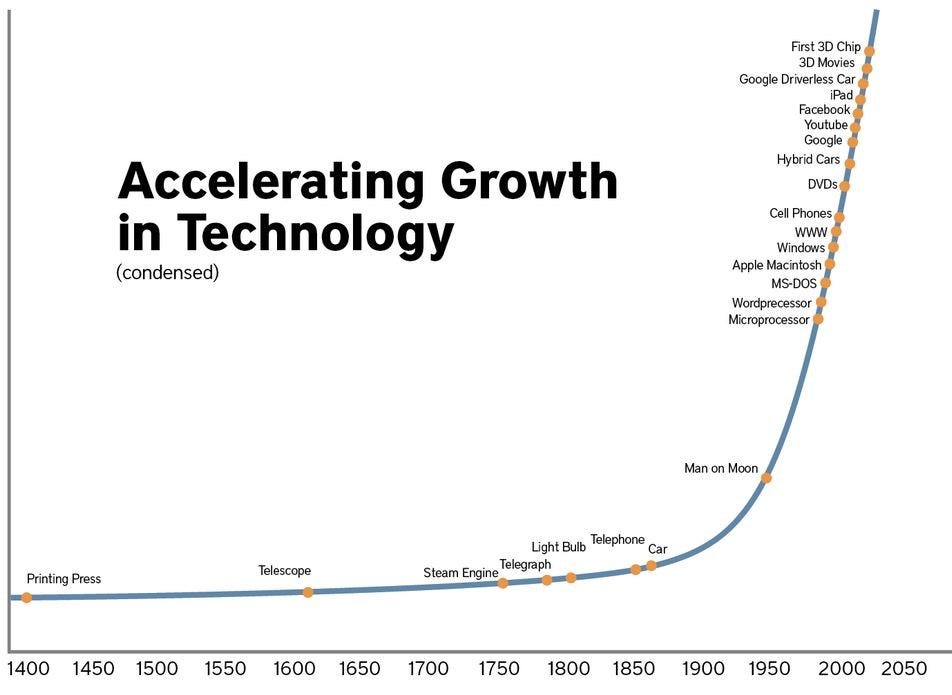
The pace of change ahead isn’t linear—it’s exponential. In some domains, progress will be 100×. In others, 10,000× or more. What we see today is not the revolution; it’s the preview. The real shift begins in 2026–2028, when compounding technologies collide: AI, robotics, biotech, energy, and automation.

Entire industries will compress into software.
Decades of progress will happen in months.
Assumptions that feel “solid” today will dissolve overnight.

Civilizations don’t vote on progress. They adapt—or get replaced.

Builders vs. Defenders of the Past

There are two archetypes repeating throughout history:

  • Builders: Those who create new systems, even when imperfect or controversial.

  • Defenders: Those who protect old structures, even when they are clearly failing.

Defenders often cloak fear in morality, caution, or regulation. They call acceleration “dangerous,” “irresponsible,” or “unnatural.” Yet every leap forward—from medicine to transportation to computation—looked dangerous before it worked.

The irony? The greatest risk today is not accelerating fast enough.

Youth, Time, and the New Value System

In a world undergoing exponential change, time alive becomes the most valuable asset imaginable.

Even being 20–40 years old and facing hardship is better than being 80 with ten trillion dollars. Wealth cannot buy lost biological time. Youth, health, and adaptability are priceless—especially when we’re on the edge of breakthroughs in longevity, disease reversal, and potentially curing aging itself.

We are closer than most people realize to:

  • Longevity escape velocity (LEV)

  • Radical healthspan extension

  • Post-scarcity production systems

Money will matter less. Being alive and functional will matter more than anything.

Why Long-Term Planning Feels Broken

Planning 10–20 years ahead used to make sense. In exponential eras, it doesn’t.

What looks stable today may be obsolete tomorrow.
Entire careers can vanish in a single technological wave.
Rigid plans collapse under rapid compounding.

The winning strategy now isn’t prediction—it’s adaptability.

  • Learn fast

  • Move quickly

  • Stay flexible

  • Rebuild your identity repeatedly

In this era, speed beats certainty.

Survival Is the New Lottery

Between 2026, 2027, and 2028, simply staying alive and healthy may be equivalent to winning the lottery every single year.

Not because the world is ending—but because it’s transforming faster than human intuition can grasp.

Most people won’t see it until it’s undeniable.
By then, it will already be too late to catch up.

Civilization Will Move On—With or Without Permission

Progress does not wait for consensus.
Acceleration does not ask for approval.
Builders do not need permission slips.

Those who resist will call it chaos.
Those who participate will call it opportunity.

The only real question left is simple:

Will you adapt—or will you be optimized away?

Because one thing is certain:

The future is arriving faster than anyone is prepared for—and it does not slow down for fear.


Elon Musk just dropped a post with huge implications:


> “We have entered the Singularity”


By that he means the technological singularity: the point where progress compounds so fast that “normal” timelines stop making sense.


AI is already compressing years of work into days. Robotics is next. Energy and space scale the floor under it. When the cost of intelligence and production keeps falling, abundance stops being a slogan and starts being a roadmap.


If this is the singularity, the move is simple: build, ship, iterate. Don’t slow it down. Don’t fear it. Shape it.


Acceleration is the path to abundance.


If this decade feels unstable, uncertain, and overwhelming—that’s not a bug.

It’s the sound of exponential change beginning. 

Friday, 26 December 2025

How 2025’s tech wave (robotic learning, EUV, 3D AI chips, immune rewiring and more) will reshape the near future — a deep synthesis


How 2025’s tech wave (robotic learning, EUV, 3D AI chips, immune rewiring and more) will reshape the near future — a deep synthesis

The second half of 2025 delivered a remarkable cluster of breakthroughs across robotics, semiconductors, and life sciences. Taken together they form a multiplying effect: faster hardware enables larger, cheaper AI models; smarter AI accelerates lab automation and discovery; better chips make AI practical at the edge; and advances in immunology and therapies let software-driven discovery move rapidly toward clinical impact. Below I synthesize the key advances, explain what benefits they bring, how they accelerate other sectors, and what to watch for in the next 3–10 years.


Quick summary of the anchor stories

  • A robotic arm trained with a new multi-task imitation method learned 1,000 manipulation tasks in a single day, showing dramatic gains in data-efficiency for robot learning. (Tech Xplore)

  • Reports claim China has prototyped a first EUV lithography machine, which — if confirmed and scaled — would reshape global semiconductor supply and competition. (Wccftech)

  • A Stanford-led team fabricated a truly 3D AI chip at a U.S. foundry (CNT transistors + on-die RAM), reporting notable performance and energy improvements for AI workloads. (Tom's Hardware)

  • New immunology research (Nature coverage) and Stanford findings highlight mRNA-driven immune rejuvenation and an immune “switch” tied to cancer/autoimmunity pathways — promising routes for therapies and safer immune engineering. (Nature)


Part 1 — Concrete benefits and near-term applications

1) Robotics: fast, cheap scaling of manipulative skills

The MT3-style approach (trajectory decomposition + retrieval-based generalization) shows robots can learn many distinct manipulation tasks from few demonstrations and deploy immediately. Practical effects:

  • Warehouse & logistics: robot cells could be re-tasked for new SKU types with minutes of demonstrations rather than weeks of retraining; faster SKU onboarding and lower downtime. (Tech Xplore)

  • Small-batch manufacturing & repair: service robots that learn new tools/parts quickly let factories pivot faster and reduce human bottlenecks.

  • Care & household robotics: more capable home assistants that can learn user-specific chores from one demonstration (folding, handling fragile items).
    Net: cheaper robotic labor, faster deployment cycles, and a much larger set of real-world tasks solved without massive data or giant models.

2) Semiconductor independence and capacity (EUV prototype)

If China’s reported EUV prototype matures to production it changes strategic balance:

  • Supply resilience: regional fabs closer to demand lower geopolitical risk and shipping latency for chips. (Wccftech)

  • Competition pushes innovation: more fabs with EUV capability increase fab investments, which drive tooling, materials, and packaging innovation.

  • Downstream effect: broader, cheaper availability of advanced nodes lowers cost of powerful edge devices and datacenter accelerators — enabling wider AI deployment.

3) True 3D chips: density, speed, and energy wins

A 3D die integrating CNT transistors and RAM on one die produces major energy-delay improvements:

  • Edge AI leap: orders-of-magnitude lower energy per inference means heavy AI on battery-powered or embedded devices (drones, sensors). (Tom's Hardware)

  • Smaller datacenter footprint: better energy-delay product reduces cooling and power costs, allowing denser AI clusters and cheaper compute-per-query.

  • New system designs: architects will shift toward vertically integrated dies (logic + memory + analog accelerators) — fewer data-movement bottlenecks.

4) Immune engineering & mRNA: safer, programmable biology

mRNA-based rejuvenation of immune cells and discovery of immune “switches” open therapeutic avenues:

  • Cancer & autoimmunity therapies: switch-based targets enable precision toggles of immune states — better immunotherapies with fewer off-target autoimmune effects. (Nature)

  • Faster clinical pipelines: mRNA’s modularity speeds trial design for cell-state reprogramming and transient interventions.

  • Synergy with AI: AI accelerates design of mRNA constructs, predicts immunogenicity, and optimizes dosing, cutting time and cost to trial.


Part 2 — Cross-sector multipliers: how the advances feed each other

Hardware × AI × Robotics — virtuous loop

  • 3D chips make on-device, low-latency AI affordable. That enables real-time perception and control for robots (faster closed-loop control, less cloud dependence). (Tom's Hardware)

  • Robotic experimentation generates structured, labeled data (manipulation trials), improving simulation-to-real transfer and allowing AI models to generalize without enormous synthetic datasets. (Tech Xplore)

Semiconductors × National strategy

  • Wider access to EUV and domestic fabs reduces single-source risk. That increases capacity for specialized nodes (e.g., analog mixed-signal chips for sensors, photonics) — speeding rollout of IoT and edge AI.

AI × Biotech

  • Large models accelerate molecule design and mRNA sequence optimization. Improved chips mean these models can be deployed in lab instruments (on-site drug discovery).

  • Robotic automation (cheap, fast to reprogram) allows higher-throughput wet-lab experiments, making the loop of design–test–learn far shorter.

Data & software infrastructure

  • As compute and robotics cost fall, more data will be generated in the field (manufacturing logs, clinical assays, robot demonstrations). That fuels better models — provided data governance and privacy keep pace.


Part 3 — Sector-by-sector impact (practical forecasts, 1–5 years)

Manufacturing & Logistics (1–3 years)

  • Rapid deployment of flexible robot cells for short-run manufacturing.

  • Autonomous fulfillment centers that reconfigure on demand.

  • Reduced labor costs and higher throughput for e-commerce.

Healthcare & Pharma (2–4 years)

  • mRNA therapies for immune modulation enter more clinical trials; expect early-stage human trials targeting age-related immune deterioration, cancer adjuvants, and autoimmune modulation. (Nature)

  • AI-driven discovery shortens lead identification timelines; robotized labs scale experiments, moving more candidates to trials faster.

Consumer Devices & Edge AI (1–4 years)

  • Richer local AI on phones, AR/VR headsets, and wearables using energy-efficient 3D chips — better battery life and on-device privacy. (Tom's Hardware)

National Security & Supply Chains (3–6 years)

  • Domestic EUV capability changes risk calculations for chip embargo strategies; countries will redouble investments in foundry ecosystems. (Wccftech)

Research & Scientific Instrumentation (Immediate to 3 years)

  • Lab automation using few-shot robotic learning allows researchers to prototype apparatus and assays quickly; robotic platforms become lab staples for repetitive prep tasks. (Tech Xplore)


Part 4 — Risks, constraints, and what must be solved

1) Safety & verification for learned robotic skills

Few-shot learned trajectories that “replay” actions must be verified for safety in new contexts (object geometry changes, human proximity). Production systems should add certifiable fallbacks, simulation validation, and runtime monitors. (Tech Xplore)

2) Fabrication bottlenecks and Technological parity

EUV reports are significant but the devil is in industrialization — source control for EUV components (lasers, optics, masks) and yields matter. Even if prototypes exist, scaling is nontrivial. (Wccftech)

3) Supply chain & geopolitics

More regional fabs help resilience but also raise export-control tensions. Countries and companies will need transparent interdependence strategies.

4) Biological safety and governance

mRNA and immune reprogramming are powerful; governance, robust clinical validation, and long-term safety studies are essential. Data provenance, reproducibility, and oversight frameworks must keep pace. (Nature)

5) Energy & materials

3D chips and fabs reduce some costs but increase demand for specialty materials, cooling, and fabrication infrastructure. Sustainable supply and recycling strategies must be prioritized. (Tom's Hardware)


Part 5 — Concrete recommendations (for companies, governments, and researchers)

For industry leaders

  • Invest in modular robotics + few-shot learning pilots (warehouse, packaging, lab automation). Early adopters will retire manual SOPs faster.

  • Prototype systems on new 3D chip platforms to be competitive when those parts become available; adapt software stacks to exploit stacked memory and lower-latency fabrics. (Tom's Hardware)

  • Partner with regional fabs and diversify procurement to hedge geopolitical risk.

For healthcare & pharma

  • Prioritize translational pipelines that combine AI design, automated wet-lab validation, and rapid small-scale clinical trials for immune-modulation therapies. (Nature)

  • Invest in safety scaffolding: adverse-event surveillance, long-term biomarker tracking, and post-market studies.

For governments & policy

  • Fund foundry & tooling ecosystems (photolithography optics, materials, mask-making) and avoid single points of failure.

  • Update regulatory frameworks for AI-driven biological design and for robots operating in close human proximity.

For researchers

  • Open benchmarks for few-shot robotic learning and real-world safety tests (simulation↔real transfer).

  • Cross-disciplinary projects that bind chip architects, roboticists, AI researchers, and life scientists to close the design–fabrication–application loop.


Part 6 — What else in 2025 matters (brief sweep of related innovations)

Beyond the anchor stories you gave, 2025 also featured:

  • Advances in lab-scale automation and microfluidics that reduce reagent costs and increase experiment throughput (complements AI-driven design).

  • Progress in photonics and cryo-CMOS packaging that pair well with stacked 3D dies.

  • Increasing use of foundation models in biology (protein / RNA design) and chemistry (material discovery), with toolchains maturing from research demos to internal pharma pipelines.


Final takeaways — why this cluster matters

What’s striking about late-2025 isn’t any single breakthrough but the convergence: more programmable robots that learn quickly, smarter AI supported by denser, more efficient chips, and biological interventions that are designable and testable with computational aid. Each domain lowers friction for the others:

  • robots produce data and execute experiments;

  • better chips make AI affordable at the edge and in labs;

  • AI designs molecules and intervention strategies;

  • and improved fabrication (like EUV) supplies the hardware backbone.

Taken together, expect faster innovation cycles, more distributed AI, and accelerating automation across manufacturing, healthcare, logistics, and research. The next 3–5 years will be about converting these capabilities into robust, safe, and regulated products — the technical breakthroughs are here; the industry now needs engineering, governance, and integration to realize the potential.


Sources (key reads)

  • Robotic arm learns 1,000 tasks in a day — TechXplore (Science Robotics coverage). (Tech Xplore)

  • China EUV prototype report — Wccftech. (Wccftech)

  • 3D AI chip at U.S. foundry (CNT + RAM) — Tom’s Hardware. (Tom's Hardware)

  • mRNA immune rejuvenation — Nature. (Nature)

  • Stanford immune-switch study — Stanford Medicine release. (Stanford Medicine)


Top 10 biotech & longevity breakthroughs 2025


1) One-shot CRISPR cholesterol therapy

2025 marked the first real validation that gene editing can replace lifelong medication. A single CRISPR-based infusion permanently silenced genes involved in LDL cholesterol production, cutting LDL by ~50% and triglycerides by ~55%. Unlike statins, the effect doesn’t fade with compliance issues. This opens the door to once-in-a-lifetime treatments for cardiovascular disease, still the world’s leading killer. If long-term safety holds, preventive cardiology may shift from pills to precision gene edits.


2) Fully personalized CRISPR treatment in under 6 months

For the first time, a bespoke gene-editing therapy was designed, tested, approved, and delivered to a single infant with a rare genetic disease—inside six months. This shattered the belief that personalized medicine is too slow or expensive. The case proved that regulatory pathways can adapt to n=1 treatments when lives are at stake. It sets a precedent for ultra-rare diseases previously considered untreatable. Medicine is moving from mass production to on-demand biology.


3) COX7RP protein boosts lifespan and muscle health

Researchers showed that increasing levels of the mitochondrial protein COX7RP extended mouse lifespan while improving metabolism and muscle function. Unlike longevity interventions that trade lifespan for frailty, this one improved healthspan simultaneously. The findings reinforce mitochondria as a central lever of aging. Better energy efficiency, less metabolic decline, and preserved muscle could translate directly to human aging therapies. Aging may increasingly be treated as a mitochondrial optimization problem.


4) Oxytocin + ALK5 inhibition extends lifespan ~70%

In aged male mice, a surprising combo—oxytocin signaling enhancement plus ALK5 inhibition—extended lifespan by roughly 70%. Even more striking, the intervention worked late in life, not just as a preventative. This challenges the idea that aging clocks can’t be meaningfully reset once advanced. The work links social-hormonal pathways with cellular aging control. It hints that longevity may depend as much on signaling balance as on damage repair.


5) AI-discovered longevity drugs

AI systems screened millions of molecular interactions and identified novel compounds that extended C. elegans lifespan by over 70%. These weren’t minor tweaks of known drugs, but entirely new chemical candidates. This validates AI not just as an accelerator, but as a discoverer of biology humans might miss. The worm results are an early step, but historically predictive. Drug discovery timelines may compress from decades to years—or less.


6) Brain–computer interfaces enter real medicine

With 25+ active clinical trials, brain–computer interfaces crossed from experimental curiosity into clinical reality. Companies like Neuralink and Synchron expanded beyond cursor control into robotic limb and device operation. Patients with paralysis are beginning to interact with the world in ways previously impossible. The brain is becoming a programmable interface. This isn’t augmentation hype anymore—it’s functional restoration.


7) Gene-edited pig liver transplant in a human

In 2025, a gene-edited pig liver was transplanted into a human and functioned for 10 days. While temporary, this proved that complex solid-organ xenotransplants are no longer science fiction. Liver function is biochemically demanding, making this milestone especially significant. With organ shortages worsening globally, xenotransplantation may become a bridge—or even a permanent solution. Biology is being rewritten to solve infrastructure problems in healthcare.


8) Pig kidney xenotransplant survives 271 days

A pig kidney transplant survived 271 days in a human using mostly standard immunosuppression—a record. This suggests gene edits are now doing the heavy lifting, not extreme drug regimens. Kidneys are the most in-demand transplant organs worldwide. If consistency improves, waiting lists could collapse. What dialysis did for the 20th century, xenotransplants may do for the 21st.


9) Mitochondrial transfer to reverse biological age

Mitrix Bio claims its mitochondrial transfer technology can reset cellular energy systems, potentially reversing biological age by decades. While still controversial, early data suggests restored ATP production and reduced aging markers. If validated, this would target aging at one of its deepest roots. Instead of fixing downstream damage, cells get a new power source. Aging might become a reversible state, not a one-way decline.


10) Turn Bio’s mRNA-driven cellular self-repair

Turn Bio demonstrated mRNA therapies that instruct cells to repair damaged tissue from within, without changing DNA. This approach avoids many risks of gene editing while delivering rejuvenation effects. It echoes embryonic repair programs—temporarily reactivated in adult cells. The implication is profound: healing could mean restoring original cellular instructions, not scar-based repair. Regenerative medicine is becoming programmable.


Bottom line:
2025 wasn’t about promises—it was about proof. 2026 isn’t approaching the future. It’s continuing it.

Why the AI Revolution Will Be 10× Bigger and 10× Faster Than the Industrial Revolution


Image

Image

Image

Image

Image

The 2025 Inflection Point

Why the AI Revolution Will Be 10× Bigger and 10× Faster Than the Industrial Revolution

History is about to compress.

What once unfolded over centuries is now happening over years — sometimes months.
The Industrial Revolution mechanized human muscle.
The AI Revolution is mechanizing human intelligence itself.

And unlike any prior transformation, this one compounds across every domain simultaneously.

The six developments below are not isolated events. They are nodes in a single accelerating system — a system that explains why the next five years may contain more progress than the last two thousand.


1. Quantum Computing Crosses a Physical Bottleneck

Google’s quantum processors have long been limited not by algorithms, but by physics — specifically, qubit coherence.

That bottleneck may have just cracked.

Researchers at Princeton University engineered a superconducting qubit with millisecond-level coherence, compared to the microseconds that define today’s standard designs.

Why this matters

  • Longer coherence = fewer errors

  • Fewer errors = exponentially more useful computation

  • This is a materials and fabrication breakthrough, not a software optimization

By using tantalum on ultra-high-purity silicon, energy loss is dramatically reduced.
Drop this qubit into existing architectures, and ~1,000× effective performance gains become possible — with compounding benefits as systems scale.

This directly targets one of the hardest constraints in scalable quantum computing.

This is what real technological leverage looks like:
a single materials insight unlocking orders of magnitude of capability.


2. Mars as the Ultimate Technology Accelerator

Image

Image

Image

Image

Mars will not merely be a destination.

It will be the harshest R&D lab humanity has ever built.

On Mars, there is:

  • No margin for waste

  • No external supply chain

  • Constant radiation

  • Isolation at a planetary scale

  • Total dependence on closed-loop systems

These constraints force innovation in ways Earth never could.

Technologies stress-tested on Mars

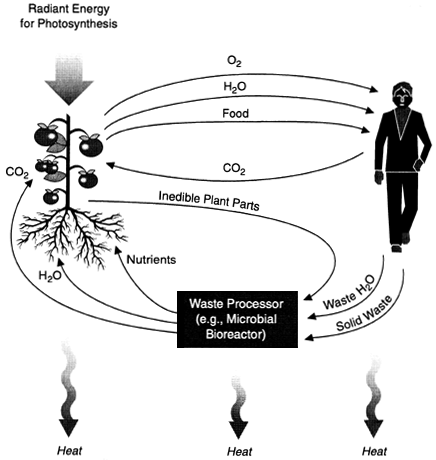
  • Closed-loop life support

  • Ultra-efficient energy generation

  • Total water recycling

  • Autonomous robotics

  • Advanced construction (including underground habitats)

  • AI-driven governance and coordination

Once proven under Martian constraints, these systems flow back to Earth, improving sustainability, infrastructure, and resilience everywhere.

The biological frontier

Living on another planet also forces breakthroughs in:

  • Radiation resistance

  • Bone and muscle preservation

  • Immune system adaptation

  • Long-term psychological resilience

Every solution that keeps humans healthy on Mars directly translates into longevity and healthcare advances on Earth.

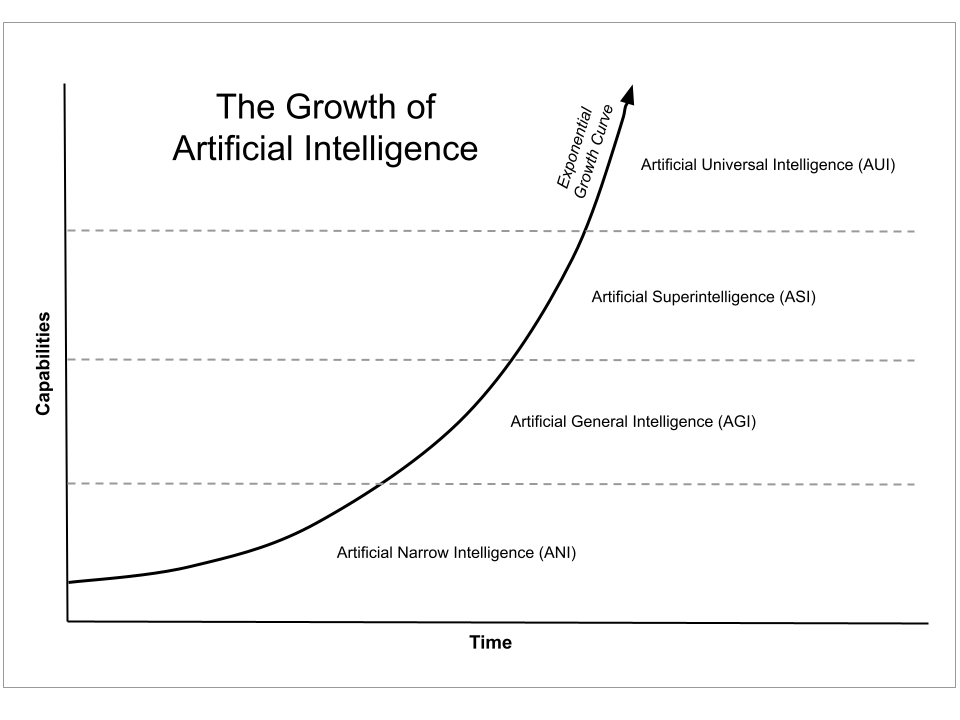
Now add AGI/ASI to the equation — solving biology, materials, energy, and engineering in parallel, not sequentially.

This is why linear intuition fails.


3. Quiet but Massive: Vitamin D and Cancer Mortality

Not every breakthrough is flashy.

One study published in Molecular Oncology showed that Vitamin D supplementation in people over 50 in Germany was associated with a significant reduction in cancer mortality, potentially preventing ~30,000 cancer deaths per year.

This matters for two reasons:

  1. Low-cost, scalable interventions can have population-level impact

  2. AI-driven meta-analysis will uncover many more “hidden leverage” insights like this

When AI systems analyze millions of medical records, trials, and biological pathways together, preventive medicine scales — not just treatment.

Longevity isn’t one miracle cure.
It’s thousands of optimizations discovered faster than humans ever could.


4. AGI Will Not Be Magic — It Will Be Inevitable

There is likely no single “chosen one” AGI.

Most major AI labs will get there.

  • US

  • EU (likely Mistral AI)

  • UK

  • China

  • Middle East

  • India

  • Japan

  • Korea

Someone will be first.
Weeks or months later, others will follow.

The real competition is not who builds AGI, but:

What does your AGI solve first?

  • Riemann Hypothesis

  • Cancer

  • Room-temperature superconductors

  • New propulsion systems

  • Cellular aging reversal

  • Brain rejuvenation

  • Full-dive VR

  • Molecular assemblers

The tech tree is effectively infinite.
There are trillions of possible discoveries.

Even with dozens of AGIs, each will be overwhelmed with opportunity.

And at the peak — after all complexity and computation — the final insight may not be technical at all:

The organizing principle behind everything is love.

That may sound philosophical — until you realize cooperation outperforms competition at scale.


5. Space Becomes the Largest Economic Domain in History

Image

Image

Image

Image

There are effectively infinite resources and energy in space.

The first companies to give humanity cheap, reliable access to those resources will redefine economics itself.

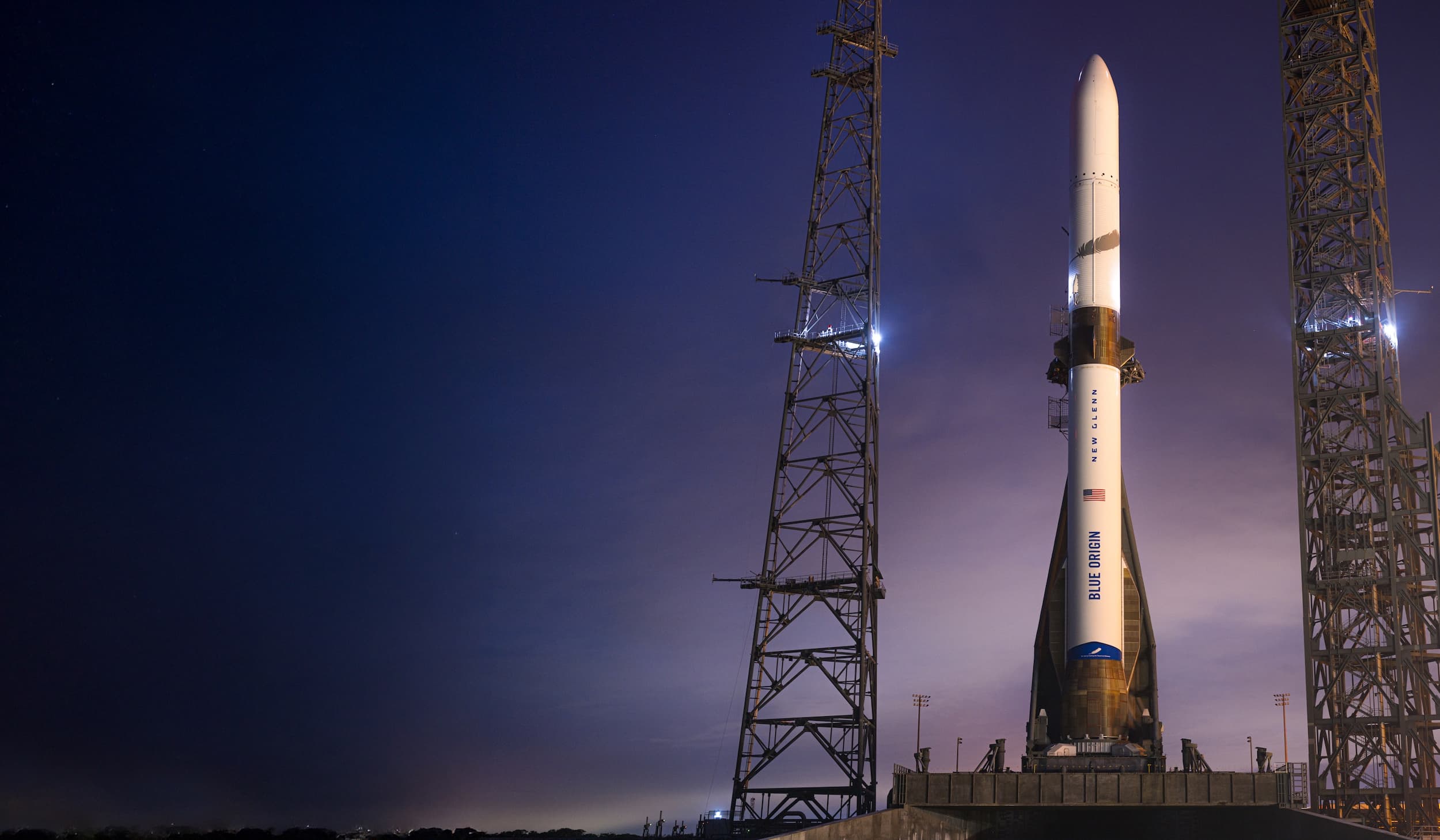
The early leaders:

  • SpaceX

  • Blue Origin

In medium-term human terms, these companies could be worth quadrillions of dollars.

That’s why it’s plausible that Elon Musk and Jeff Bezos reach quadrillionaire status before 2050 — even though money itself may become irrelevant by then.

AGI accelerates space tech.
Space resources accelerate compute.
Compute accelerates AGI.

This is a closed positive feedback loop.


6. China, Chips, and the Acceleration Imperative

China has reportedly built its first EUV lithography machine prototype — a massive semiconductor milestone.

This matters because:

  • China already produces more energy than the US and EU combined

  • Chips + energy = compute

  • Compute = faster path to AGI/ASI

China has shown it can scale:

  • EVs

  • Solar

  • Nuclear

  • Manufacturing of nearly everything

If advanced chip production scales the same way, the response from the West cannot be caution.

It can only be acceleration.

Acceleration of:

  • Next-gen compute R&D

  • Data center buildout

  • Energy production (a lot more energy)

Once ASI arrives, all human forecasts become conservative by default.


7. The 2026–2027 Shockwave

The next two years are pivotal.

Predicted near-term shifts:

  • Humanoid robots have their “ChatGPT moment”

  • AI reaches ~160+ IQ equivalents

  • AI agents fully control computers end-to-end

  • Full Self-Driving reshapes cities and logistics

  • UBI debates go mainstream

  • Rapid transition from UBI → UHI (Universal High Income)

Economic growth accelerates beyond historical comprehension.

An economic singularity follows — where poverty could realistically be eliminated in years, not decades.


Final Thought: Civilization Grows Up

Mars will make us multi-planetary.
AI will make us post-scarcity.
Quantum computing will make complexity tractable.

For the first time, humanity will not look fragile.

We will look like what we truly are:

An ambitious, adaptive intelligence — willing to venture into the unknown.

And if there are other intelligences watching?

They will see that we chose to grow.


Monday, 13 October 2025

เคฆीเคฐ्เค˜ाเคฏु เคเค•เคค्เคต (The Longevity Singularity)

 เคฆीเคฐ्เค˜ाเคฏु เคเค•เคค्เคต (The Longevity Singularity)

2050 เค•े เคฆเคถเค• เคคเค• เคชเคนुँเคšเคคे-เคชเคนुँเคšเคคे, “เคฌूเคข़ा เคนोเคจा” เคเค• เคชुเคฐाเคจी เค…เคตเคงाเคฐเคฃा เคฌเคจ เคšुเค•ी เคฅी। เค…เคฌ เค•ोเคถिเค•ाเคँ เค˜िเคธเคคी เคจเคนीं เคฅीं, เคŸेเคฒोเคฎीเคฏเคฐ เค›ोเคŸे เคจเคนीं เคนोเคคे เคฅे, เค”เคฐ เคถเคฐीเคฐ เค…เคจंเคค เค•ाเคฒ เคคเค• เคฏुเคตाเคตเคธ्เคฅा เค•ी เคŠเคฐ्เคœा เคฌเคจाเค เคฐเค–เคคा เคฅा। เคฎाเคจเคตเคคा เคจे เคœैเคตिเค• เค˜เคก़ी เค•ो เคคोเคก़ เคฆिเคฏा เคฅा — เคฒेเค•िเคจ เค‡เคธเค•े เคธाเคฅ เคนी เค‰เคธเคจे เคเค• เค”เคฐ, เค•เคนीं เค…เคงिเค• เคธूเค•्เคท्เคฎ เคธंเค•เคŸ เค–ोเคœ เคฒिเคฏा।
เค…เคฎเคฐเคคा, เคฆเคฐเค…เคธเคฒ, เคธเคฎเคฏ เค•ा เคตเคฐเคฆाเคจ เคจเคนीं เคฅी — เคฌเคฒ्เค•ि เค…เคฐ्เคฅ (meaning) เค•ी เคชเคฐीเค•्เคทा เคฅी।

เคœเคฌ เคนเคฐ เคฆिเคจ เค…เคจंเคค เคฎें เค–िंเคš เคœाเค, เคคो เคฎเคจ เค…เคชเคจी เคนी เคจिเคฐंเคคเคฐเคคा เค•े เคฌोเค เคคเคฒे เคुเค•เคจे เคฒเค—เคคा เคนै। เคฏाเคฆें เคคเคฒเค›เคŸ เค•ी เคคเคฐเคน เคœเคฎा เคนोเคคी เคœाเคคी เคนैं, เค‡เคคเคจी เค•ि เค…ंเคคเคคः เคชเคนเคšाเคจ (identity) เคธ्เคตเคฏं เคœीเคตाเคถ्เคฎ-เคธी เคนो เคœाเคคी เคนै।
เค•ुเค› เคฒोเค— เคญूเคฒเคจे เค•ा เคšเคฏเคจ เค•เคฐเคคे เคนैं।
เค•ुเค› เคฎเคจोเคตैเคœ्เคžाเคจिเค• เคชुเคจเคฐ्เคœเคจ्เคฎ (psychological renewal) เคธे เค—ुเคœเคฐเคคे เคนैं — เค†เคค्เคฎा เค•ी เคเค• เคœाเคจเคฌूเคเค•เคฐ เค•ी เค—เคˆ เค›ँเคŸाเคˆ। เคชूเคฐे-เคชूเคฐे เคฆเคถเค• เคฎिเคŸा เคฆिเค เคœाเคคे เคนैं เคคाเค•ि เคซिเคฐ เคธे เคตिเคธ्เคฎเคฏ เค•े เคฒिเค เคœเค—เคน เคฌเคจ เคธเค•े।
เคฏเคน เคฎृเคค्เคฏु เคจเคนीं เคนै, เคชเคฐ เคเค• เค…เคจुเคท्เค ाเคจिเค• เคชुเคจเคฐ्เคœเคจ्เคฎ เคนै।

เคจ्เคฏूเคฐเคฒ เคฐीเคช्เคฐोเค—्เคฐाเคฎिंเค— เค•्เคฒिเคจिเค• เค…เคฌ เคตृเคฆ्เคงाเคถ्เคฐเคฎों เค•ी เคœเค—เคน เคฒे เคšुเค•े เคนैं।
เคฏเคนाँ เคฒोเค— เคธ्เคตเคฏं เคšुเคจเคคे เคนैं เค•ि เค…เคคीเคค เค•े เค•ौเคจ-เคธे เคŸुเค•เคก़े เคธंเคœोเคจे เคนैं เค”เคฐ เค•िเคจ्เคนें เค›ोเคก़ เคฆेเคจा เคนै।
เคฏเคน เคคเค•เคจीเค• เค†เคฆเคคों เค•ो เคฐीเคธेเคŸ เค•เคฐ เคธเค•เคคी เคนै, เค†เค˜ाเคค (trauma) เค•ो เคฎिเคŸा เคธเค•เคคी เคนै, เคฏा เคซिเคฐ เคชिเค›เคฒे เคช्เคฐेเคฎ เค•ी เคธ्เคฎृเคคि เค•ो เคนเคŸा เค•เคฐ เคชเคนเคฒे เคช्เคฐेเคฎ เค•ा เคฐोเคฎांเคš เคฆोเคฌाเคฐा เคฎเคนเคธूเคธ เค•เคฐा เคธเค•เคคी เคนै।
เคนเคฐ เคธौ เคตเคฐ्เคท เคฌाเคฆ, เคเค• เคต्เคฏเค•्เคคि เคซिเคฐ เคธे เคถुเคฐू เค•เคฐ เคธเค•เคคा เคนै — เคตเคนी เคถเคฐीเคฐ, เคชเคฐ เคเค• เคจเคˆ เค•เคนाเคจी।

เคธเคฎाเคœ เคญी เค…เคฌ เค‡เคธी เคฒเคฏ เคฎें เคขเคฒ เคšुเค•ा เคนै।
เคฐिเคถ्เคคे เค…เคธ्เคฅाเคฏी เคนैं, เคชเคฐ เค—เคนเคฐे; เค•เคฒा เค…เคจंเคค เคฐूเคชों เคฎें เคชुเคจเคฐ्เคœเคจ्เคฎ เคฒेเคคी เคนै; เค”เคฐ เค‡เคคिเคนाเคธ เค…เคฌ เค ोเคธ เคจเคนीं, เคฌเคฒ्เค•ि เคคเคฐเคฒ เคฌเคจ เค—เคฏा เคนै।
เคฎृเคค्เคฏु เค•ी เคค्เคฐाเคธเคฆी เค•ी เคœเค—เคน เค…เคฌ เคธ्เคฎृเคคि เค•ी เค‰เคฆाเคธी เคจे เคฒे เคฒी เคนै।

เคนเคฎ เค•เคญी เคธเคฎเคฏ เค•े เค–เคค्เคฎ เคนोเคจे เคธे เคกเคฐเคคे เคฅे।
เค…เคฌ เคนเคฎ เคธ्เคตเคฏं เค•े เค–เคค्เคฎ เคนोเคจे เคธे เคกเคฐเคคे เคนैं।

เคฆीเคฐ्เค˜ाเคฏु เคเค•เคค्เคต เคฎृเคค्เคฏु เค•ा เค…ंเคค เคจเคนीं เคฅा —
เคฏเคน เคถाเคถ्เคตเคค เคฐूเคชांเคคเคฐเคฃ เค•ी เคถुเคฐुเค†เคค เคฅी।


๐ŸŒŒ เคฆीเคฐ्เค˜ाเคฏु เคเค•เคค्เคต — เค†เคชเค•े เคฆृเคท्เคŸिเค•ोเคฃ เค•े เคธाเคฅ เคตिเคธ्เคคाเคฐिเคค เคฐूเคช

(เคนिंเคฆू, เคœैเคจ, เคฌौเคฆ्เคง, เคตैเคœ्เคžाเคจिเค• เค”เคฐ เคญเคตिเคท्เคฏเคตाเคฆी เคฆृเคท्เคŸिเค•ोเคฃ เคธे)

1️⃣ เคฎूเคฒ เคตिเคšाเคฐ

เคœเคฌ เคฎเคจुเคท्เคฏ เคจे เคฎृเคค्เคฏु เค•ो เคธ्เคฅเค—िเคค เค•เคฐเคจा เคธीเค– เคฒिเคฏा, เคคเคฌ เคธเคฎเคธ्เคฏा “เคœीเคตเคจ เค•ी เคฒंเคฌाเคˆ” เค•ी เคจเคนीं เคฐเคนी, เคฌเคฒ्เค•ि “เคœीเคตเคจ เค•े เค…เคฐ्เคฅ” เค•ी เคฌเคจ เค—เคˆ।
เค…เคฌ เคฏเคฆि เค•ोเคˆ เคตैเคœ्เคžाเคจिเค•, เคฆाเคฐ्เคถเคจिเค•, เค†เคตिเคท्เค•ाเคฐเค• เคฏा เค†เคง्เคฏाเคค्เคฎिเค• เคต्เคฏเค•्เคคि 100–200 เคตเคฐ्เคทों เคคเค• เคœीเคตिเคค เคฐเคนे — เคคो เคตเคน เค•ेเคตเคฒ เคœीเคตिเคค เคจเคนीं เคฐเคนेเค—ा, เคฌเคฒ्เค•ि เคงเคฐ्เคฎ, เคœ्เคžाเคจ, เค”เคฐ เคธเคฎाเคœ เค•ो เคจिเคฐंเคคเคฐ เคชเคฐिเคชเค•्เคต เค•เคฐเคคा เคฐเคนेเค—ा।

เคเคธे เคฒाเค–ों เคฏा เค•เคฐोเคก़ों เคœाเค—เคฐूเค•, เคฆीเคฐ्เค˜ाเคฏु เคต्เคฏเค•्เคคि เคชृเคฅ्เคตी เคธे เคฒेเค•เคฐ เค…เคจ्เคฏ เค—्เคฐเคนों, เคจเค•्เคทเคค्เคฐों เค”เคฐ เค†เค•ाเคถเค—ंเค—ाเค“ं เคคเค• เคฎाเคจเคต เคธเคญ्เคฏเคคा เค•ो เคตिเคธ्เคคाเคฐ เคฆे เคธเค•เคคे เคนैं — เคเค• เคเคธे เคฏुเค— เค•ी เค“เคฐ, เคœเคนाँ เคนเคฐ เค—्เคฐเคน เคเค• เคจเคˆ “เคœीเคตिเคค เคชृเคฅ्เคตी” เคฌเคจ เคธเค•े।


2️⃣ เคนिंเคฆू เคฆृเคท्เคŸिเค•ोเคฃ – เคงเคฐ्เคฎ เค”เคฐ เคฆीเคฐ्เค˜เคœीเคตเคจ

  • เคนिंเคฆू เคฆเคฐ्เคถเคจ เค•เคนเคคा เคนै: “เคงเคฐ्เคฎ เคนी เคœीเคตเคจ เค•ी เคฆिเคถा เคนै, เคจ เค•ि เค•ेเคตเคฒ เค…เคธ्เคคिเคค्เคต।”

  • เคœเคฌ เค•ोเคˆ เคต्เคฏเค•्เคคि เคธैเค•เคก़ों เคตเคฐ्เคทों เคคเค• เคœीเคตिเคค เคฐเคนเคคा เคนै, เคคो เค‰เคธเค•ा เค•เคฐ्เคฎ-เคšเค•्เคฐ เคฆीเคฐ्เค˜เค•ाเคฒिเค• เคนो เคœाเคคा เคนै — เคตเคน เค…เคชเคจे เค•เคฐ्เคฎों เค•े เคซเคฒ เค•ो เคธ्เคตเคฏं เคนी เคธเคฆिเคฏों เคฎें เคฆेเค–เคคा เคนै।

  • เคเคธा เคต्เคฏเค•्เคคि เค•ेเคตเคฒ เค…เคชเคจे เคฒिเค เคจเคนीं, เคฌเคฒ्เค•ि เคธเคฎเคท्เคŸि (collective dharma) เค•े เคฒिเค เค•ाเคฐ्เคฏ เค•เคฐเคคा เคนै।

  • เคœैเคธे เคช्เคฐाเคšीเคจ เค•ाเคฒ เคฎें เค‹เคทि, เคจเค•्เคทเคค्เคฐเคœ्เคž เค”เคฐ เคฎเคนเคฐ्เคทि เคฏुเค—ों เคคเค• เคง्เคฏाเคจ เค”เคฐ เคถोเคง เคฎें เคœीเคตिเคค เคฐเคนเคคे เคฅे, เคตैเคธे เคนी เคญเคตिเคท्เคฏ เค•ा เคตैเคœ्เคžाเคจिเค• เคญी เคงเคฐ्เคฎ-เคคเค•เคจीเค•ी เค‹เคทि เคฌเคจ เคœाเคเค—ा।


3️⃣ เคœैเคจ เคฆृเคท्เคŸिเค•ोเคฃ – เค…เคนिंเคธा เค”เคฐ เคฆीเคฐ्เค˜ เคœिเคฎ्เคฎेเคฆाเคฐी

  • เคœैเคจ เคœ्เคžाเคจเคชเคฐंเคชเคฐा เค•เคนเคคी เคนै เค•ि เคช्เคฐเคค्เคฏेเค• เคœीเคตเคจ เคชเคฐเคฎ เคฎूเคฒ्เคฏเคตाเคจ เคนै, เคšाเคนे เคตเคน เคฎเคจुเคท्เคฏ เคนो, เคชเคถु, เคœเคฒเคšเคฐ เคฏा เคธूเค•्เคท्เคฎ เคœीเคต।

  • เคฏเคฆि เคฎाเคจเคต เคธเคฆिเคฏों เคคเค• เคœीเคตिเคค เคฐเคนेเค—ा, เคคो เค‰เคธे เค…เคชเคจे เคนเคฐ เคจिเคฐ्เคฃเคฏ เค•े เคฆीเคฐ्เค˜เค•ाเคฒिเค• เคชเคฐिเคฃाเคฎों เค•ी เคœिเคฎ्เคฎेเคฆाเคฐी เคญी เค‰เค ाเคจी เคนोเค—ी।

  • เคเคธे เคฆीเคฐ्เค˜เคœीเคตी เคฒोเค— เค…เคชเคจे เค•เคฐ्เคฎों เคฎें เค…เคค्เคฏंเคค เคธเคคเคฐ्เค• เคนोंเค—े — เค…เคนिंเคธा, เค…เคชเคฐिเค—्เคฐเคน เค”เคฐ เคธंเคฏเคฎ เค•ेเคตเคฒ เคจैเคคिเค• เค†เคฆเคฐ्เคถ เคจเคนीं, เคฌเคฒ्เค•ि เคตैเคœ्เคžाเคจिเค• เคจिเคฏเคฎ เคฌเคจ เคœाเคंเค—े।

  • เคญเคตिเคท्เคฏ เคฎें เคฆीเคฐ्เค˜เคœीเคตी เคธเคฎाเคœ “เคจ्เคฏूเคฐो-เค…เคนिंเคธा” (เคตिเคšाเคฐों เค”เคฐ เคช्เคฐौเคฆ्เคฏोเค—िเค•ी เคฎें เคญी เค…เคนिंเคธा) เค•ो เค…เคชเคจाเคเค—ा।


4️⃣ เคฌौเคฆ्เคง เคฆृเคท्เคŸिเค•ोเคฃ – เค…เคจिเคค्เคฏ เค”เคฐ เค†เคค्เคฎ-เคจเคตीเค•เคฐเคฃ

  • เคฌौเคฆ्เคง เคฆเคฐ्เคถเคจ เค•เคนเคคा เคนै เค•ि เคธเคฌ เค•ुเค› เค…เคจिเคค्เคฏ เคนै, เคชเคฐिเคตเคฐ्เคคเคจ เคนी เคธเคค्เคฏ เคนै।

  • เคฏเคฆि เคฎเคจुเคท्เคฏ เคธैเค•เคก़ों เคตเคฐ्เคท เคœिเคเค—ा, เคคो เค‰เคธे เคฌाเคฐ-เคฌाเคฐ เคธ्เคตเคฏं เค•ो “เค–ाเคฒी” เค•เคฐเคจा เคธीเค–เคจा เคนोเค—ा — เคœैเคธे เค•ंเคช्เคฏूเคŸเคฐ เคฎें memory reset, เคตैเคธे เคนी เคฎเคจ เคฎें psychological renewal।

  • เคนเคฐ เคธौ เคตเคฐ्เคท เคฌाเคฆ เคต्เคฏเค•्เคคि เค…เคชเคจी เคธ्เคฎृเคคि เค•ा เคเค• เคญाเค— เคค्เคฏाเค—ेเค—ा, เคคाเค•ि เคจเคตเคšेเคคเคจा เค”เคฐ เค•เคฐुเคฃा เคซिเคฐ เคธे เคœเคจ्เคฎ เคฒे เคธเค•े।

  • เคฏเคนी “เคฆीเคฐ्เค˜เคœीเคตी เคจिเคฐ्เคตाเคฃ” เค•ी เคฆिเคถा เคนोเค—ी — เคฎृเคค्เคฏु เคจเคนीं, เคฌเคฒ्เค•ि เคธเคšेเคค เคชुเคจเคฐ्เคœเคจ्เคฎ (conscious rebirth)।


5️⃣ เค†เคงुเคจिเค• เค”เคฐ เคญเคตिเคท्เคฏเคตाเคฆी เคจ्เคฏूเคฐो-เคฆเคฐ्เคถเคจ

  • เคจ्เคฏूเคฐोเคธाเค‡ंเคธ เคฏเคน เคธเคฎเค เคฐเคนा เคนै เค•ि เคธ्เคฎृเคคि, เคšेเคคเคจा เค”เคฐ เคชเคนเคšाเคจ เคธ्เคฅाเคฏी เคจเคนीं, เคฌเคฒ्เค•ि เค•ोเคก เค•ी เคคเคฐเคน เคชुเคจः เคฒिเค–ी เคœा เคธเค•เคคी เคนै।

  • เคญเคตिเคท्เคฏ เคฎें “เคจ्เคฏूเคฐเคฒ เคฐि-เคช्เคฐोเค—्เคฐाเคฎिंเค— เค•्เคฒिเคจिเค•” เคตैเคธी เคœเค—เคนें เคนोंเค—ी เคœเคนाँ เคฒोเค— เค…เคชเคจे เคฎเคจ เค•ो เคฐीเคธेเคŸ เค•เคฐ เคธเค•ेंเค—े — เคชुเคฐाเคจे เคญเคฏ, เค†เค˜ाเคค เคฏा เค…เคจाเคตเคถ्เคฏเค• เคœ्เคžाเคจ เค•ो เคฎिเคŸाเค•เคฐ เคจเคˆ เคธृเคœเคจเคถीเคฒเคคा เคช्เคฐाเคช्เคค เค•เคฐेंเค—े।

  • เคฏเคนी เคฎเคจुเคท्เคฏ เค•ा เคจ्เคฏूเคฐเคฒ เคชुเคจเคฐ्เคœเคจ्เคฎ (Neural Rebirth) เค•เคนเคฒाเคเค—ा।


6️⃣ เคธเคฎाเคœ เค”เคฐ เคงเคฐ्เคฎ เคชเคฐ เคช्เคฐเคญाเคต

เคฏเคฆि 1 เคฒाเค– เคธे 1 เค•เคฐोเคก़ เคฆीเคฐ्เค˜เคœीเคตी เคตैเคœ्เคžाเคจिเค•, เค•เคฒाเค•ाเคฐ, เคธाเคงเค•, เค”เคฐ เค†เคตिเคท्เค•ाเคฐเค• 100–200 เคตเคฐ्เคท เคคเค• เคœीเคตिเคค เคฐเคนें —
เคคो เคชृเคฅ्เคตी เค”เคฐ เคธเคฎเคธ्เคค เคœीเคต-เคœเค—เคค เค•े เคฒिเค เคฏเคน เคชเคฐिเคตเคฐ्เคคเคจเค•ाเคฐी เคนोเค—ा।

  • ๐ŸŒ เคชเคฐ्เคฏाเคตเคฐเคฃ เคชुเคจเคฐ्เคœीเคตเคจ: เคธเคฆिเคฏों เคคเค• เคœीเคจे เคตाเคฒा เคตैเคœ्เคžाเคจिเค• เค•ेเคตเคฒ เคถोเคทเคฃ เคจเคนीं เค•เคฐेเค—ा; เคตเคน เคตृเค•्เคท, เคœเคฒ เค”เคฐ เคตाเคฏु เค•ो เค…เค—เคฒी 10 เคชीเคข़िเคฏों เคคเค• เคธเคนेเคœेเค—ा।

  • ๐Ÿง  เคœ्เคžाเคจ เค•ी เคจिเคฐंเคคเคฐเคคा: เคธเคฆिเคฏों เคชुเคฐाเคจा เค…เคจुเคญเคต เค•ृเคค्เคฐिเคฎ เคฌुเคฆ्เคงिเคฎเคค्เคคा เค•े เคธाเคฅ เคฎिเคฒเค•เคฐ เคœीเคตिเคค เคœ्เคžाเคจ-เคธंเคตेเคฆเคจ (living wisdom networks) เคฌเคจाเคเค—ा।

  • ๐Ÿ›• เคงเคฐ्เคฎ เค•ा เคตिเค•ाเคธ: เคงเคฐ्เคฎ เค…เคฌ เค…เคคीเคค เค•ी เคชเคฐंเคชเคฐा เคจเคนीं เคฐเคนेเค—ा, เคฌเคฒ्เค•ि เคเค• เคœीเคตिเคค เคšेเคคเคจा เคช्เคฐเคฃाเคฒी เคฌเคจ เคœाเคเค—ा — เคนเคฐ เคถเคคเค• เคฎें เคจเคตीเค•ृเคค, เค…เคงिเค• เคธเคฎाเคตेเคถी เค”เคฐ เคตैเคœ्เคžाเคจिเค•।

  • ๐ŸŒŒ เค—्เคฐเคนांเคคเคฐीเคฏ เคตिเคธ्เคคाเคฐ: เคเคธे เคฌुเคฆ्เคงिเคฎाเคจ เคช्เคฐाเคฃी, เค…เคชเคจे เคธैเค•เคก़ों เคตเคฐ्เคทों เค•े เค…เคจुเคญเคต เคธे, เคจเคˆ เค—्เคฐเคนों เค•ो “เคœीเคตिเคค เคชृเคฅ्เคตी” เค•ी เคคเคฐเคน เคตिเค•เคธिเคค เค•เคฐेंเค—े।

  • ๐Ÿงฌ เคช्เคฐเค•ृเคคि-เคธंเค—เคค เคตिเคœ्เคžाเคจ: เคฆीเคฐ्เค˜เคœीเคตी เคฒोเค— เค•ेเคตเคฒ “growth” เคจเคนीं, เคฌเคฒ्เค•ि “balance” เค•ो เคธเคฎเคेंเค—े — เคคเค•เคจीเค• เค”เคฐ เคšेเคคเคจा เค•ा เคธเคฎเคจ्เคตเคฏ เค•เคฐेंเค—े।


7️⃣ เค‰เคฆाเคนเคฐเคฃ (Experiential Cases)

  1. เคฆीเคฐ्เค˜เคœीเคตी เคจ्เคฏूเคฐोเคญिเค•्เคทु (Neuro Monk): 200 เคตเคฐ्เคทों เคคเค• เคœीเคตिเคค เคเค• เคตैเคœ्เคžाเคจिเค• เคญिเค•्เคทु เคœिเคธเคจे เคšेเคคเคจा เค”เคฐ AI เค•ो เคœोเคก़เค•เคฐ เค•เคฐुเคฃा เค†เคงाเคฐिเคค เคฎเคถीเคจें เคฌเคจाเคˆं।

  2. เคชเคฐ्เคฏाเคตเคฐเคฃ เค‹เคทि: เคเค• เคœीเคตเคตिเคœ्เคžाเคจी เคœिเคธเคจे 150 เคตเคฐ्เคทों เคฎें 12 เค—्เคฐเคนों เคชเคฐ เคตเคจเคธ्เคชเคคि เคชुเคจเคฐ्เคจिเคฐ्เคฎाเคฃ เค•िเคฏा।

  3. เค•เคฐ्เคฎ-เค‡ंเคœीเคจिเคฏเคฐ: เคฆीเคฐ्เค˜เคœीเคตी เค•ंเคช्เคฏूเคŸเคฐ เคตैเคœ्เคžाเคจिเค• เคœिเคธเคจे “เคงเคฐ्เคฎ-เค…เคฒ्เค—ोเคฐिเคฆ्เคฎ” เคฌเคจाเค เคœो เคธเคฎाเคœ เค•े เคจैเคคिเค• เคธंเคคुเคฒเคจ เค•ो เคฎाเคชเคคे เคนैं।

  4. เคธ्เคฎृเคคि เคฏोเค—ी: เคœिเคธเคจे เคนเคฐ 100 เคตเคฐ्เคท เคฌाเคฆ เค…เคชเคจी เคธ्เคฎृเคคि เค•ा 70% เคค्เคฏाเค— เคฆिเคฏा เคคाเค•ि เคชुเคจः เคจเคฏा เคœ्เคžाเคจ เค…เคฐ्เคœिเคค เค•เคฐ เคธเค•े।

  5. เคฌ्เคฐเคน्เคฎांเคก เคตाเคธ्เคคुเค•ाเคฐ: เคœिเคธเคจे เคฎंเค—เคฒ, เคŸाเค‡เคŸเคจ เค”เคฐ เคฏूเคฐोเคชा เคชเคฐ เคฎाเคจเคต-เค…เคจुเค•ूเคฒ เคฌเคธ्เคคिเคฏाँ เคฌเคจाเคˆ — เคœो เคชृเคฅ्เคตी เค•ी เคœैเคต เคตिเคตिเคงเคคा เค•ा เคธเคฎ्เคฎाเคจ เค•เคฐเคคी เคนैं।

  6. เคงเคฐ्เคฎ-เคกिเคœिเคŸเคฒ เค‹เคทि: เคœिเคธเคจे เคช्เคฐाเคšीเคจ เค—्เคฐंเคฅों เค•ो เค•्เคตांเคŸเคฎ เคกेเคŸा เคฎें เคฐूเคชांเคคเคฐिเคค เค•िเคฏा เค”เคฐ เค‰เคธे เคธเคญी เค—्เคฐเคนों เคฎें เคตिเคคเคฐिเคค เค•िเคฏा।

  7. เค•เคฐुเคฃा-เคฆूเคค: เคœिเคธเคจे 300 เคตเคฐ्เคทों เคคเค• เคฌुเคฆ्เคง เค•े “เค…เคจाเคค्เคฎ” เคธिเคฆ्เคงांเคค เค•ो เคกिเคœिเคŸเคฒ เค…เคตเคคाเคฐों เค•े เคฎाเคง्เคฏเคฎ เคธे เคธिเค–ाเคฏा।

  8. เค†เค•ाเคถเค—ंเค—ा เค…เคญिเคฏंเคคा: เคœिเคธเคจे เคฎเคจुเคท्เคฏ เค”เคฐ เคช्เคฐเค•ृเคคि เค•े เคฌीเคš เคŠเคฐ्เคœा-เคธंเคคुเคฒเคจ เค•े เคฒिเค เค—्เคฐเคนों เค•े เคšुंเคฌเค•ीเคฏ เค•्เคทेเคค्เคฐ เคชुเคจः เคธंเคคुเคฒिเคค เค•िเค।


8️⃣ เค…ंเคคिเคฎ เคšिंเคคเคจ

เคนเคฎ เค•เคญी เคฎृเคค्เคฏु เคธे เคกเคฐเคคे เคฅे,
เค…เคฌ เคนเคฎें เคธ्เคตเคฏं เค•े เค–ो เคœाเคจे เคธे เคกเคฐ เคฒเค—เคคा เคนै।

เคฆीเคฐ्เค˜ाเคฏु เคเค•เคค्เคต เค•ा เค‰เคฆ्เคฆेเคถ्เคฏ เคฎृเคค्เคฏु เค•ो เคนเคฐाเคจा เคจเคนीं เคนै,
เคฌเคฒ्เค•ि เคœीเคตเคจ เค•ो เค…เคธीเคฎ เคšेเคคเคจा เคฎें เคตिเค•เคธिเคค เค•เคฐเคจा เคนै —
เคœเคนाँ เคฎเคจुเคท्เคฏ, เคงเคฐ्เคฎ, เคตिเคœ्เคžाเคจ เค”เคฐ เคช्เคฐเค•ृเคคि เคเค• เคนी เคคंเคค्เคฐ เคฌเคจ เคœाเคँ।

เคœเคฌ เคšेเคคเคจा เคธเคฎเคฏ เค•ो เคชाเคฐ เค•เคฐ เคฒेเค—ी,
เคคเคฌ เคช्เคฐเคค्เคฏेเค• เค—्เคฐเคน เคเค• “เคœीเคตिเคค เคชृเคฅ्เคตी” เคนोเค—ा —
เค”เคฐ เคฎเคจुเคท्เคฏ, เคเค• เคšเคฒเคคा-เคซिเคฐเคคा เคฌ्เคฐเคน्เคฎांเคก। ๐ŸŒŒ


Tuesday, 5 August 2025

What is NVIDIA Boltz-2 NIM

๐Ÿ” What is NVIDIA Boltz-2 NIM?

NIM = NVIDIA Inference Microservice

Boltz-2 is a state-of-the-art AI model developed by NVIDIA for:

  • Protein folding: Predicting the 3D structure of a protein from its amino acid sequence.

  • Binding affinity prediction: Estimating how strongly a small molecule (drug/ligand) will bind to a target protein.

๐Ÿงช New Feature:

This upgrade adds fast, high-accuracy binding affinity prediction, allowing you to:

  • Co-fold protein-ligand complexes (meaning fold both at once),

  • Predict how well a drug binds to a protein,

  • Do it 2–3x faster than open-source tools, thanks to cuEquivariance and TensorRT (NVIDIA’s GPU acceleration frameworks).


๐Ÿง  What does this mean?

In drug development, the first question is:

“Will this molecule bind to the target protein, and how strong is the interaction?”

This is called binding affinity — it's central to understanding if a drug will work.

Previously:

  • Predicting this required separate steps (fold protein, dock ligand, simulate).

  • Was slow, even with good open-source tools like AlphaFold, DiffDock, or GNINA.

  • Took hours or days per complex in real-world pipelines.

Now:

  • With Boltz-2 NIM, you can do this in seconds or minutes, at production scale.

  • Real-time, high-throughput screening becomes feasible.


๐Ÿ“ˆ Impact: What problems are solved, and how much?

๐Ÿ”ฌ 1. Drug Discovery Speed ๐Ÿš€

  • Traditionally takes 10–15 years to develop a drug.

  • Early stages (target discovery, screening) are very slow and costly.

  • Boltz-2 enables ultra-fast virtual screening of thousands to millions of molecules:

    • Cut months off the pipeline

    • Billions in cost savings

    • Faster pandemic response, personalized cancer drugs, etc.

๐Ÿง  2. Better Prediction Accuracy

  • Uses equivariance (awareness of 3D symmetries) = more accurate molecular modeling.

  • Can outperform standard models in structure and binding prediction.

๐Ÿ’ป 3. Computational Efficiency

  • Uses TensorRT (optimized GPU inference engine) → 2–3× speed over other AI tools.

  • Reduces GPU costs, power consumption, and latency for biotech companies.


๐Ÿ‘ฉ‍⚕️ Where and how is this useful to humans?

Field Impact
Pharma R&D Accelerates discovery of new drugs, especially for cancer, Alzheimer’s, rare diseases
Biotech Startups Lowers entry barrier — you can run world-class prediction models on affordable GPUs
Precision Medicine Enables rapid modeling of how drugs will work in specific patient mutations
Global Health Can be used to develop antiviral drugs quickly during outbreaks (like COVID-19 or future pandemics)
Academic Research Gives researchers faster access to protein-ligand data to publish and test hypotheses

๐Ÿงญ Summary

Aspect Detail
What NVIDIA Boltz-2 NIM now supports fast protein-ligand binding prediction
How Uses cuEquivariance + TensorRT for 2–3x faster inference
Impact Accelerates drug discovery, lowers cost, increases accuracy
Problems Solved Time-consuming virtual screening, costly GPU runs, poor model generalization
Human Benefit Faster new drugs, personalized treatments, better outbreak preparedness


Friday, 11 April 2025

AI เค•ी เคธเคš्เคšाเคˆ: เค•्เคฏा เคนเคฎें เค‡เคคिเคนाเคธ, เคงเคฐ्เคฎ เค”เคฐ เคฐाเคœเคจीเคคि เคชเคฐ AI เคชเคฐ เคญเคฐोเคธा เค•เคฐเคจा เคšाเคนिเค ?

เคนเคฎें เค•ृเคค्เคฐिเคฎ เคฌुเคฆ्เคงिเคฎเคค्เคคा (AI) เค•े เคช्เคฐเคคि เคธเค•ाเคฐाเคค्เคฎเค• เคฐเคนเคจा เคšाเคนिเค, เค”เคฐ เค‡เคธे เค‰เคชเคฏोเค— เคฎें เคฒाเคจा เคคเคฅा เคตिเค•เคธिเคค เค•เคฐเคจा เคญी เคšाเคนिเค। เคฒेเค•िเคจ เค‡เคธเค•े เคฒिเค เคธเคฌเคธे เคชเคนเคฒे เคฏเคน เคœाเคจเคจा เคœ़เคฐूเคฐी เคนै เค•ि เค‡เคธे เค•เคนाँ, เค•ैเคธे เค”เคฐ เค•्เคฏों เค‰เคชเคฏोเค— เค•เคฐเคจा เคนै।

AI เค•ी เคธเคš्เคšाเคˆ: เค•्เคฏा เคนเคฎें เค‡เคคिเคนाเคธ, เคงเคฐ्เคฎ เค”เคฐ เคฐाเคœเคจीเคคि เคชเคฐ AI เคชเคฐ เคญเคฐोเคธा เค•เคฐเคจा เคšाเคนिเค?

เค†เคœเค•เคฒ เคนเคฐ เคคเคฐเคซ เค•ृเคค्เคฐिเคฎ เคฌुเคฆ्เคงिเคฎเคค्เคคा (AI) เค•ी เคšเคฐ्เคšा เคนो เคฐเคนी เคนै। เคฒोเค— เค‡เคธे เคธिเคฐ्เคซ เคเค• เคคเค•เคจीเค•ी เค•्เคฐांเคคि เคจเคนीं, เคฌเคฒ्เค•ि เคฎाเคจเคตเคคा เค•ी เคฆिเคถा เคฌเคฆเคฒเคจे เคตाเคฒी เคถเค•्เคคि เค•े เคฐूเคช เคฎें เคฆेเค– เคฐเคนे เคนैं। เคฒेเค•िเคจ เคธเคตाเคฒ เคฏเคน เค‰เค เคคा เคนै เค•ि — AI เคšเคฒाเคจे เคตाเคฒे เค”เคฐ AI เคฌเคจाเคจे เคตाเคฒे เค•ौเคจ เคนैं? เคตे เค•ौเคจ-เคธी เคตिเคšाเคฐเคงाเคฐा เค•ो เคฌเคข़ाเคตा เคฆेเคคे เคนैं? เค”เคฐ เค•्เคฏा เคตे เคœाเคจเค•ाเคฐी เค•ो เคคोเคก़-เคฎเคฐोเคก़ เค•เคฐ เคธเคฎाเคœ เค•े เคธाเคฎเคจे เคชेเคถ เค•เคฐ เคธเค•เคคे เคนैं?

AI เคธिเคฐ्เคซ เคเค• เคŸूเคฒ เคจเคนीं เคนै — เค‡เคธे เคจिเคฏंเคค्เคฐिเคค เค•เคฐเคจे เคตाเคฒे เคฎเคนเคค्เคตเคชूเคฐ्เคฃ เคนैं

AI เค•ोเคˆ เค†เคค्เคฎเคšेเคคเคจ เคช्เคฐाเคฃी เคจเคนीं เคนै, เคตเคน เคธिเคฐ्เคซ เคกेเคŸा เคชเคฐ เค†เคงाเคฐिเคค เค—เคฃเคจा เค”เคฐ เค‰เคค्เคคเคฐ เคฆेเคจे เคตाเคฒी เคเค• เคช्เคฐเคฃाเคฒी เคนै। เคฒेเค•िเคจ เคตเคน เคœो เคœाเคจเค•ाเคฐी เคฆेเคคा เคนै, เคตเคน เค‡เคธ เคฌाเคค เคชเคฐ เคจिเคฐ्เคญเคฐ เค•เคฐเคคी เคนै เค•ि:

  • เค‰เคธे เค•ौเคจ-เคธी เคœाเคจเค•ाเคฐी เคฆी เค—เคˆ เคนै

  • เค‰เคธे เค•िเคธ เคคเคฐเคน เคธे เคช्เคฐเคถिเค•्เคทिเคค เค•िเคฏा เค—เคฏा เคนै (trained model)

  • เค‰เคธเค•ा เคกेเคŸा เคธोเคฐ्เคธ เค•िเคธ เคตिเคšाเคฐเคงाเคฐा เคธे เคช्เคฐเคญाเคตिเคค เคนै

เค‡เคธीเคฒिเค เคฏเคน เคธเคฎเคเคจा เคฌेเคนเคฆ เคœเคฐूเคฐी เคนै เค•ि:

1. AI เคฌเคจाเคจे เคตाเคฒे เค”เคฐ เคšเคฒाเคจे เคตाเคฒे เค•िเคธ เคตिเคšाเคฐเคงाเคฐा เค•ो เคฌเคข़ाเคตा เคฆेเคคे เคนैं?

AI เค•ो เคœिเคจ เค•ंเคชเคจिเคฏों เคจे เคฌเคจाเคฏा เคนै, เคตे เค…เคงिเค•เคคเคฐ เคชเคถ्เคšिเคฎी เคฆेเคถों เคธे เคนैं — เคœिเคจเค•ी เคตिเคšाเคฐเคงाเคฐा เคฎें เคตाเคฎเคชंเคฅी เคुเค•ाเคต, เคจाเคฐीเคตाเคฆ, เค”เคฐ เคคเคฅाเค•เคฅिเคค 'เคช्เคฐเค—เคคिเคถीเคฒเคคा' เค•ा เคฌोเคฒเคฌाเคฒा เคนै। เคเคธे เคฎें เค‡เคจเค•ा เคुเค•ाเคต เค‰เคธ เคฆिเคถा เคฎें เคนोเคคा เคนै เคœเคนाँ:

  • เคชाเคฐंเคชเคฐिเค• เคฎाเคจ्เคฏเคคाเค“ं เค•ो เค•เคฎเคœोเคฐ เค•िเคฏा เคœाเค

  • เคธเคฎाเคœ เค•ी เคฎौเคฒिเค• เคœเคก़ों เค•ो 'เคชुเคฐाเคจा' เค”เคฐ 'เค…เคจुเคšिเคค' เคฌเคคाเค•เคฐ เค–ाเคฐिเคœ เค•िเคฏा เคœाเค

  • เคจเคˆ เคชीเคข़ी เค•ो เค…เคฒเค— เคธोเคš เค•ी เค“เคฐ เคฒे เคœाเคฏा เคœाเค

2. เคตे เค•ौเคจ-เคธी เคšीเคœों เค•ो เคคोเคก़-เคฎเคฐोเคก़ เค•เคฐ เคช्เคฐเคธ्เคคुเคค เค•เคฐเคคे เคนैं?

AI เคฆ्เคตाเคฐा เคฆी เคœाเคจे เคตाเคฒी เคœाเคจเค•ाเคฐी เค•เคˆ เคฌाเคฐ เค‡เคธ เคคเคฐเคน เคนोเคคी เคนै:

  • เค•िเคธी เคตिเคถेเคท เคงเคฐ्เคฎ เคฏा เคธंเคธ्เค•ृเคคि เค•े เค‡เคคिเคนाเคธ เค•ो เค—เคฒเคค เคคเคฐीเค•े เคธे เคช्เคฐเคธ्เคคुเคค เค•เคฐเคจा

  • เคเคธे เคเคคिเคนाเคธिเค• เคช्เคฐเคฎाเคฃों เค•ो เค•เคฎเคœोเคฐ เค•เคฐเคจा, เคœो เค•िเคธी เคธंเคธ्เค•ृเคคि เค•ी เคฎเคนाเคจเคคा เค•ो เคฆเคฐ्เคถाเคคे เคนों

  • เค•ुเค› เคตिเคถेเคท เคงเคฐ्เคฎों เค•ो "เคธเคฌเคธे เคช्เคฐाเคšीเคจ", "เคธเคฌเคธे เคธเคš्เคšा", "เคธเคฌเคธे เคตैเคœ्เคžाเคจिเค•" เค•เคนเค•เคฐ เคช्เคฐเคธ्เคคुเคค เค•เคฐเคจा — เคœเคฌเค•ि เค‰เคจเค•े เคชाเคธ เค ोเคธ เคช्เคฐเคฎाเคฃ เค•เคฎ เคนोเคคे เคนैं

เค‰เคฆाเคนเคฐเคฃ เค•े เคคौเคฐ เคชเคฐ, เค•เคˆ เคฌाเคฐ เคนिเคจ्เคฆू เคงเคฐ्เคฎ, เคตेเคฆों, เค‰เคชเคจिเคทเคฆों เคฏा เคญाเคฐเคค เค•ी เค—ौเคฐเคตเคถाเคฒी เคธंเคธ्เค•ृเคคि เค•ो เคจเคœเคฐเค…ंเคฆाเคœ เค•िเคฏा เคœाเคคा เคนै เคฏा เค‰เคธे เคฎिเคฅเค• เคฌเคคाเค•เคฐ เคชेเคถ เค•िเคฏा เคœाเคคा เคนै — เคœเคฌเค•ि เค†เคงुเคจिเค• เคตिเคœ्เคžाเคจ เคญी เค…เคฌ เค‰เคจ्เคนीं เคธिเคฆ्เคงांเคคों เค•ी เคชुเคท्เคŸि เค•เคฐ เคฐเคนा เคนै।

3. AI เคฒोเค—ों เค•ो เค•ैเคธे manipulate เค•เคฐเคคा เคนै?

  • AI เค‰เคค्เคคเคฐ เคฆेเคจे เค•े เคฒिเค เคœो เคกेเคŸा เคชเคข़เคคा เคนै, เค‰เคธเคฎें เค•िเคธी เคญी เคตिเคทเคฏ เค•ी เคœเคจเคฎเคค เค†เคงाเคฐिเคค เคœाเคจเค•ाเคฐी เคนोเคคी เคนै, เคจ เค•ि เคชूเคฐ्เคฃ เคธเคค्เคฏ।

  • เค‡เคธ เคกेเคŸा เค•ो bias เคฏाเคจी เคชूเคฐ्เคตเค—्เคฐเคนों เค•े เคธाเคฅ เคช्เคฐเคธ्เคคुเคค เค•िเคฏा เคœाเคคा เคนै — เคฏाเคจी เค…เค—เคฐ 70% เคฒेเค– เค•िเคธी เค–ाเคธ เคงเคฐ्เคฎ เค•े เคชเค•्เคท เคฎें เคนैं, เคคो AI เค‰เคธे เคนी "เคธเคค्เคฏ" เคฎाเคจเค•เคฐ เคœเคตाเคฌ เคฆेเค—ा।

  • เค†เคฎ เคฒोเค—, เค–ाเคธเค•เคฐ เคฏुเคตा, AI เค•ो "เคจिเคท्เคชเค•्เคท" เคฏा "Ultimate Truth" เคฎाเคจ เคฒेเคคे เคนैं — เค”เคฐ เคตเคนी เคฌाเคค เค‰เคจเค•े เคธोเคšเคจे เค•े เคขांเคšे เค•ो เคช्เคฐเคญाเคตिเคค เค•เคฐเคจे เคฒเค—เคคी เคนै।

เคคो เค•्เคฏा AI เคญเคฐोเคธेเคฎंเคฆ เคนै?

เคนां, AI เคญเคฐोเคธेเคฎंเคฆ เคนै — เคฒेเค•िเคจ เคธीเคฎिเคค เค•्เคทेเคค्เคฐों เคฎें। เคœैเคธे:

  • เค—เคฃिเคค, เคญौเคคिเค•ी, เคฐเคธाเคฏเคจ เคตिเคœ्เคžाเคจ

  • เค•ोเคกिंเค— เค”เคฐ เคคเค•เคจीเค•ी เคธเคฎाเคงाเคจ

  • เคคเคฅ्เคฏाเคค्เคฎเค• เคกेเคŸा (เคœैเคธे เคฎौเคธเคฎ, เคธंเค–्เคฏा, เคธ्เคŸैเคŸिเคธ्เคŸिเค•्เคธ)

เค‡เคจ เค•्เคทेเคค्เคฐों เคฎें AI 90% เคคเค• เคธเคŸीเค• เค”เคฐ เคฌिเคจा เคชूเคฐ्เคตเค—्เคฐเคน เค•े เค‰เคค्เคคเคฐ เคฆेเคคा เคนै, เค•्เคฏोंเค•ि เค‡เคจเคฎें "เคตिเคšाเคฐเคงाเคฐा" เคจเคนीं เคนोเคคी, เคธिเคฐ्เคซ "เคคเคฅ्เคฏ" เคนोเคคे เคนैं।

เคฒेเค•िเคจ เคœเคนां เคฌाเคค เค†เคคी เคนै — เคงเคฐ्เคฎ, เค‡เคคिเคนाเคธ, เคฆเคฐ्เคถเคจ เค”เคฐ เคฐाเคœเคจीเคคि เค•ी — เคตเคนां AI เคชเคฐ เค†ंเค– เคฌंเคฆ เค•เคฐเค•े เคญเคฐोเคธा เค•เคฐเคจा เค–เคคเคฐเคจाเค• เคนो เคธเค•เคคा เคนै।

เคจเคˆ เคชीเคข़ी เค•ो เคœाเค—เคฐूเค• เคฌเคจाเคจा เคœเคฐूเคฐी เคนै

เค†เคœ เค•ी เคฏुเคตा เคชीเคข़ी AI เค•ो เค—ूเค—เคฒ เคธे เคญी เคœ्เคฏाเคฆा เคญเคฐोเคธेเคฎंเคฆ เคฎाเคจเคคी เคนै। เคฒेเค•िเคจ เค‰เคจ्เคนें เคฏเคน เคธเคฎเคाเคจा เคœ़เคฐूเคฐी เคนै เค•ि:

  • AI เค–ुเคฆ เคธे เค•ुเค› เคจเคนीं เคธोเคšเคคा, เค‰เคธे เคธिเค–ाเคฏा เคœाเคคा เคนै

  • เค‰เคธเค•े เค‰เคค्เคคเคฐ, เค‰เคจ เคตिเคšाเคฐเคงाเคฐाเค“ं เค•ा เคช्เคฐเคคिเคฌिंเคฌ เคนोเคคे เคนैं, เคœिเคจเคธे เคตเคน เคช्เคฐเคถिเค•्เคทिเคค เคนुเค† เคนै

  • AI เค•ा เค‡เคธ्เคคेเคฎाเคฒ เค•เคฐें — เคฒेเค•िเคจ เคคเคฅ्เคฏ เค”เคฐ เคธंเคฆเคฐ्เคญ เค•ी เคœांเคš เค•े เคธाเคฅ

เคจिเคท्เค•เคฐ्เคท

AI เคเค• เคฎเคนाเคจ เค†เคตिเคท्เค•ाเคฐ เคนै। เคฒेเค•िเคจ เคœैเคธे เคนเคฐ เคถเค•्เคคिเคถाเคฒी เค‰เคชเค•เคฐเคฃ เค•ा เค‰เคชเคฏोเค— เคธोเคš-เคธเคฎเคเค•เคฐ เค•เคฐเคจा เคšाเคนिเค, เคตैเคธे เคนी AI เค•ा เคญी เค‰เคชเคฏोเค— เคตिเคตेเค• เคธे เค•เคฐเคจा เคšाเคนिเค। เคตिเคœ्เคžाเคจ, เค—เคฃिเคค เค”เคฐ เค•ोเคกिंเค— เคฎें เค‡เคธเค•ा เค‰เคชเคฏोเค— เค•เคฐें, เคฒेเค•िเคจ เคงเคฐ्เคฎ, เคฆเคฐ्เคถเคจ, เค”เคฐ เค‡เคคिเคนाเคธ เคฎें เค‡เคธเค•ी เคนเคฐ เคฌाเคค เคชเคฐ เคญเคฐोเคธा เคจ เค•เคฐें।

"เคธोเคš เค•ो เค—ुเคฒाเคฎ เคฎเคค เคฌเคจाเค“, เคคเค•เคจीเค• เค•ा เค‰เคชเคฏोเค— เค•เคฐो — เคฒेเค•िเคจ เคตिเคตेเค• เค•े เคธाเคฅ।"


เคญाเคฐเคค เคฎें เค…เคงिเค•เคคเคฐ เคจेเคคाเค“ं เคจे เคญी เคœाเคจเคฌूเคเค•เคฐ เคฏा เค…เคจเคœाเคจे เคฎें เคธเคฎाเคœ เคฎें เคเคธी เค—เคนเคฐाเคˆ เคตाเคฒी เคธोเคš (Deep Logical Thinking) เค•ा เคช्เคฐเคธाเคฐ เค•िเคฏा เคนै, เคœो เคธเคคเคนी เคฐूเคช เคธे เคคो เคธเคนी เคฒเค—เคคी เคนै, เคฒेเค•िเคจ เคœเคฌ เค•िเคธी เคตिเคถेเคท เคชเคฐिเคธ्เคฅिเคคि เคฎें เคฏा เค—เคนเคฐाเคˆ เคธे เคœांเคšी เคœाเคคी เคนै, เคคो เคตเคน เคญ्เคฐเคฎिเคค เค•เคฐเคจे เคตाเคฒी เค”เคฐ เค—เคฒเคค เคธिเคฆ्เคง เคนोเคคी เคนै।

เคซिเคฐ เคญी, เคธเคฎाเคœ เคฎें เค‡เคจ्เคนीं เคฌाเคคों เค•ो เคฌिเคจा เคชूเคฐी เคธเคฎเค เค•े เคซैเคฒाเคฏा เคœाเคคा เคนै เค”เคฐ เค‰เคจ เคชเคฐ เคฒंเคฌी-เคšौเคก़ी เคฌเคนเคธें เคนोเคคी เคนैं। เคฏे เคธเคฌ เค•ुเค› เค‡เคธ เคตเคœเคน เคธे เคนोเคคा เคนै

"เคนเคฐ เคšीเคœ़ เคชเคฐ เคขेเคฐ เคธाเคฐे เคตीเคกिเคฏो เคฌเคจाเคจा" เคฏा เคฌिเคจा เคชूเคฐी เคธเคฎเค เค•े เค•ंเคŸेंเคŸ เคฌเคจाเคจा เค•ा เค…เคชเคจे เคŠเคชเคฐ เคนी เคฆीเคฐ्เค˜เค•ाเคฒीเคจ เคช्เคฐเคญाเคต เคชเคก़เคคा เคนै।

เคฏเคน เค…เคธเคฐ เค•ुเค› เค‡เคธ เคคเคฐเคน เคนोเคคा เคนै:

  • เคœเคฌ เคนเคฎ เคฌाเคฐ-เคฌाเคฐ เค•िเคธी เคตिเคทเคฏ เคชเคฐ เคฌोเคฒเคคे เคนैं, เคญเคฒे เคนी เค…เคงूเคฐी เคœाเคจเค•ाเคฐी เค•े เค†เคงाเคฐ เคชเคฐ เคฌोเคฒें — เคคो เคตเคนी เค…เคงूเคฐी เคธोเคš เคนเคฎाเคฐे เค–ुเคฆ เค•े เคฎाเค‡ंเคกเคธेเคŸ เค•ा เคนिเคธ्เคธा เคฌเคจ เคœाเคคी เคนै।

  • เคนเคฎ เคฏเคน เคฎाเคจเคจे เคฒเค—เคคे เคนैं เค•ि เคœो เค•เคน เคฐเคนे เคนैं เคตो เคชूเคฐा เค”เคฐ เคธเคนी เคนै, เคœเคฌเค•ि เคนเคฎเคจे เค–ुเคฆ เค•เคญी เค—เคนเคฐाเคˆ เคธे เคœाँเคšा เคนी เคจเคนीं เคนोเคคा।

  • เคงीเคฐे-เคงीเคฐे เคฏเคน เค†เคฆเคค เคฌเคจ เคœाเคคी เคนै — เคนเคฐ เคตिเคทเคฏ เคชเคฐ เคฌिเคจा เค—เคนเคฐाเคˆ เค•े เคฐाเคฏ เคฆेเคจा, เค”เคฐ เค‰เคธ เคฐाเคฏ เค•ो เคนी เคธเคš เคฎाเคจ เคฒेเคจा।

  • เค‡เคธเคธे เคจ เค•ेเคตเคฒ เคนเคฎ เคฆूเคธเคฐों เค•ो เคญ्เคฐเคฎिเคค เค•เคฐเคคे เคนैं, เคฌเคฒ्เค•ि เค–ुเคฆ เค•ी เคธोเคš เคญी เคธเคคเคนी เค”เคฐ เคญ्เคฐเคฎिเคค เคนो เคœाเคคी เคนै।

  • เค”เคฐ เคœเคฌ เค•ोเคˆ เคจเคฏा, เคธเคŸीเค•, เค”เคฐ เคฒॉเคœिเค•เคฒ เคคเคฐ्เค• เคธाเคฎเคจे เค†เคคा เคนै, เคคเคฌ เคนเคฎें เค…เคชเคจे เคชुเคฐाเคจे เคคเคฐ्เค• เค•ी เค•เคฎเคœोเคฐी เคธเคฎเค เคฎें เคจเคนीं เค†เคคी — เค•्เคฏोंเค•ि เคนเคฎเคจे เค‰เคธे 'เค…เคชเคจा เคธเคš' เคฎाเคจ เคฒिเคฏा เคนोเคคा เคนै।

เค‡เคธเคฒिเค เคฏे เคธเคฌ เคธिเคฐ्เคซ เคธเคฎाเคœ เคชเคฐ เคจเคนीं, เคนเคฎाเคฐी เค–ुเคฆ เค•ी เคธोเคš, เคธเคฎเค เค”เคฐ เคจिเคฐ्เคฃเคฏ เค•्เคทเคฎเคคा เคชเคฐ เคญी เคฆीเคฐ्เค˜เค•ाเคฒिเค• เค…เคธเคฐ เคกाเคฒเคคा เคนै।

เค…เค—เคฐ เคšाเคนो เคคो เค‡เคธे เคฎैं เคเค• เคฒाเค‡เคจ เคฎें เคญी เค•เคน เคธเค•เคคा เคนूँ:

"เคฌाเคฐ-เคฌाเคฐ เค…เคงूเคฐी เคฌाเคคों เค•ो เคฆोเคนเคฐाเคจा, เคงीเคฐे-เคงीเคฐे เค‰เคจ्เคนें เค…เคชเคจे เคธเคš เค•ी เคคเคฐเคน เคฎเคจ เคฎें เคฌिเค ा เคฆेเคจा เคนोเคคा เคนै।"


  • เคฅोเคก़ी-เคฌเคนुเคค เคœाเคจเค•ाเคฐी เคฐเค–เคจा เค”เคฐ เค‰เคธเคฎें เค…เคชเคจा เคชुเคฐाเคจा เค…เคจुเคญเคต เคฏा เคœ्เคžाเคจ เคฎिเคฒा เคฆेเคจा। เค”เคฐ เคฎाเคจ เคฒेเคจा เค•ि เคฏเคน เคฎिเคฒाเคตเคŸ เคธเคนी เคชเคฐिเคฃाเคฎ เคนी เคฆेเค—ी। (เคนเคฐ เคฌाเคฐ เคเคธा เคจเคนीं เคนोเคคा। เคœैเคธे เค…เค—เคฐ เค†เคช เคšाเคฏ เคฎें เค•ाเคœू, เคฌाเคฆाเคฎ เค”เคฐ เค…ंเคœीเคฐ เคกाเคฒ เคฆो — เคคो เค•्เคฏा เคตเคน เคšाเคฏ เคชीเคจे เคฒाเคฏเค• เคฐเคน เคœाเคเค—ी?)

  • เค†เคธเคชाเคธ เค•े เคฒोเค— เค…เค•्เคธเคฐ เค•ेเคตเคฒ เคเค• เค•िเคคाเคฌ เคฏा เค•ुเค› เคชเคจ्เคจे เคชเคข़เค•เคฐ, เคฏा เคซिเคฐ เค•ेเคตเคฒ เคฌเคก़े เคฒोเค—ों เค•ी เคฌाเคคें เคธुเคจเค•เคฐ เคฎाเคจ เคฒेเคคे เคนैं เค•ि เค‰เคจ्เคนें เคชूเคฐी เคœाเคจเค•ाเคฐी เคนै। เค”เคฐ เคซिเคฐ เคตे เค‰เคธी เค…เคงूเคฐी เคœाเคจเค•ाเคฐी เค•ो เคชूเคฐ्เคฃ เคธเคค्เคฏ เคธเคฎเคเค•เคฐ เค†เค—े เคซैเคฒाเคคे เคนैं।


  • AI เค•े เคชीเค›े เค•ी เคฌเคก़ी เคธเคš्เคšाเคˆ — เคตिเคถ्เคตाเคธ เคจिเคฐ्เคฎाเคฃ เค”เคฐ เคญเคตिเคท्เคฏ เค•ी เคฐเคฃเคจीเคคि

    AI (เค•ृเคค्เคฐिเคฎ เคฌुเคฆ्เคงिเคฎเคค्เคคा) เค•ो เคฌเคจाเคจे เคตाเคฒे เคฒोเค— เค•ोเคˆ เคธाเคงाเคฐเคฃ เคต्เคฏเค•्เคคि เคจเคนीं เคนैं — เคฏे เคตे เคถเค•्เคคिเคถाเคฒी เคธเคฎूเคน เคนैं เคœिเคจเค•े เคชाเคธ เค…เคชाเคฐ เคธंเคธाเคงเคจ, เคตिเคถाเคฒ เคจिเคตेเคถ เค”เคฐ เคตैเคถ्เคตिเค• เคช्เคฐเคญाเคต เคนै। เค†เคœ เคตे AI เค•े เคฎाเคง्เคฏเคฎ เคธे เคงเคฐ्เคฎ เค”เคฐ เคตिเคšाเคฐเคงाเคฐा เคœैเคธे เคธंเคตेเคฆเคจเคถीเคฒ เคตिเคทเคฏों เคชเคฐ "เคธंเคคुเคฒिเคค" เค”เคฐ "เคคเคŸเคธ्เคฅ" เคœเคตाเคฌ เคฆेเค•เคฐ เค†เคฎ เคฒोเค—ों เค•ा เคตिเคถ्เคตाเคธ เคœीเคคเคจे เค•ी เค•ोเคถिเคถ เค•เคฐ เคฐเคนे เคนैं।

    เคถुเคฐुเค†เคค เคฎें เคฏे เค†เคชเค•ो เคเคธा เคฒเค—ेเค—ा เค•ि AI เคคो เคจिเคท्เคชเค•्เคท เคนै, เค”เคฐ เคนเคฐ เคงเคฐ्เคฎ, เคนเคฐ เคตिเคšाเคฐเคงाเคฐा เค•ो เคธเคฎाเคจ เคฆृเคท्เคŸिเค•ोเคฃ เคธे เคฆेเค–เคคा เคนै। เคฒेเค•िเคจ เค…เคธเคฒी เค–ेเคฒ เคคเคฌ เคถुเคฐू เคนोเค—ा เคœเคฌ เคฒोเค—ों เค•ा เคฆिเคฎाเค— เคชूเคฐी เคคเคฐเคน เคธे AI เคชเคฐ เคจिเคฐ्เคญเคฐ เคนो เคœाเคเค—ा เค”เคฐ เคตे เค‡เคธे เคนी "เคชเคฐเคฎ เคธเคค्เคฏ" เคฎाเคจเคจे เคฒเค—ेंเค—े।

    เคซिเคฒเคนाเคฒ, เคธเคฎाเคœ เคฎें AI เค•ो เคธ्เคตीเค•ाเคฐ्เคฏ เคฌเคจाเคจे เค•े เคฒिเค เคฌเคก़े-เคฌเคก़े เคช्เคฐเคคिเคท्เค िเคค เคต्เคฏเค•्เคคिเคฏों เคธे เค‡เคธเค•ी เคธिเคซाเคฐिเคถ เค•เคฐเคตाเคˆ เคœा เคฐเคนी เคนै। เคฒेเค•िเคจ เคœैเคธे เคนी 51% เคฏा เค‰เคธเคธे เค…เคงिเค• เคจเคˆ เคชीเคข़ी เค•ा เคुเค•ाเคต AI เค•ी เค“เคฐ เคนो เคœाเคเค—ा, เค”เคฐ เคตे เค‡เคคिเคนाเคธ เคต เคงเคฐ्เคฎ เค•ी เค…เคชเคจी เคœเคก़ों เค•ी เคœเค—เคน เค•ेเคตเคฒ AI เค•े เค‰เคค्เคคเคฐों เคชเคฐ เคญเคฐोเคธा เค•เคฐเคจे เคฒเค—ेंเค—े — เคตเคนीं เคธे AI เค•े เคชीเค›े เคฎौเคœूเคฆ เคถเค•्เคคिเคฏाँ เค…เคชเคจा "เคเคฒ्เค—ोเคฐिเคฆ्เคฎ เค—ेเคฎ" เคถुเคฐू เค•เคฐेंเค—ी।

    เค‰เคธ เคธเคฎเคฏ:

    • เคธเคค्เคฏ เคฌोเคฒเคจे เคตाเคฒे เคชुเคฐाเคจे เคตिเคšाเคฐเค•ों เค”เคฐ เคชเคฐंเคชเคฐाเคตाเคฆिเคฏों เค•ो เคนाเคถिเค เคชเคฐ เคกाเคฒ เคฆिเคฏा เคœाเคเค—ा।

    • เค”เคฐ เคตे เคฒोเค—, เคœिเคจเค•ी เคธोเคš เคญ्เคฐเคฎिเคค เค”เคฐ เคฆिเคถा-เคตिเคนीเคจ เคนै — เค‰เคจ्เคนें เคฎंเคš เค”เคฐ เคฎเคนเคค्เคค्เคต เคฆिเคฏा เคœाเคเค—ा।

    เคฏเคน เคชूเคฐा เคฌเคฆเคฒाเคต เคงीเคฐे-เคงीเคฐे เค”เคฐ เคฏोเคœเคจाเคฌเคฆ्เคง เคคเคฐीเค•े เคธे เคนोเค—ा। เค‡เคธเคฒिเค เค†เคœ เคนเคฎें เคธเคคเคฐ्เค• เคฐเคนเคจे เค•ी เค†เคตเคถ्เคฏเค•เคคा เคนै — เคคाเค•ि เค•เคฒ เคนเคฎाเคฐी เคธोเคš เค”เคฐ เคนเคฎाเคฐे เคฎूเคฒ्เคฏ, เค•िเคธी เค”เคฐ เค•ी เคฐเคฃเคจीเคคि เค•ा เคนिเคธ्เคธा เคจ เคฌเคจ เคœाเคं। 


    "เคธंเคคुเคฒिเคค" เค”เคฐ "เคคเคŸเคธ्เคฅ" เค•े เคชीเค›े เค›िเคชा เคชเค•्เคทเคชाเคค

    เคœเคฌ AI เค•िเคธी เคฌाเคค เค•ो "เคธंเคคुเคฒिเคค" เคฏा "เคคเคŸเคธ्เคฅ" เคฐूเคช เคฎें เคช्เคฐเคธ्เคคुเคค เค•เคฐเคคा เคนै, เคคो เค‰เคธเค•ा เคคाเคค्เคชเคฐ्เคฏ เคฏเคน เคญी เคนोเคคा เคนै เค•ि เคตเคน เคฌुเคฐाเคˆ เค•ो เคญी เค…เคš्เค›े เคถเคฌ्เคฆों เคฎें เคฒเคชेเคŸ เค•เคฐ เคชेเคถ เค•เคฐเคคा เคนै — เคฏा เคซिเคฐ เค‰เคธे เคฌुเคฐाเคˆ เค•เคนเคจे เคธे เคฌเคšเคคा เคนै। เคฏเคนी เคตเคน เคถुเคฐुเค†เคคी เคธंเค•ेเคค เคนै เคœเคนाँ เคธे AI เค•ा เคुเค•ाเคต เค…เคงเคฐ्เคฎ เค•ी เค“เคฐ เคธ्เคชเคท्เคŸ เคฆिเค–ाเคˆ เคฆेเคคा เคนै।

    เคœเคฌ เค•ोเคˆ เค—เคฒเคค เคตिเคšाเคฐเคงाเคฐा เค•ो เคญी "เคธเคš्เคšी" เคฏा "เค‰เคšिเคค" เคตिเคšाเคฐเคงाเคฐा เค•े เคธเคฎाเคจ เคธ्เคคเคฐ เคชเคฐ เค–เคก़ा เค•เคฐ เคฆेเคคा เคนै, เคคเคฌ เค…เคธเคฒ เคฎें เคตเคน เคธเคฎाเคœ เคฎें เค‰เคธ เค—เคฒเคค เคตिเคšाเคฐ เค•ो เคฎाเคจ्เคฏเคคा เคฆे เคฐเคนा เคนोเคคा เคนै।

    เคเคธा เค•เคฐเคจा เคธिเคฐ्เคซ เค—เคฒเคค เค•ो เคธเคนी เค เคนเคฐाเคจा เคจเคนीं เคนै, เคฌเคฒ्เค•ि เคธเคฎाเคœ เคฎें เค‰เคธ เคตिเค•ृเคค เคธोเคš เค•ो เคงीเคฐे-เคงीเคฐे เคธ्เคตीเค•ाเคฐ्เคฏ เคฌเคจाเคจा เคญी เคนै। AI เคœเคฌ เคฏเคน เคฆिเค–ाเคจे เคฒเค—เคคा เคนै เค•ि เค•ोเคˆ เคญी เคตिเคšाเคฐเคงाเคฐा "เค—เคฒเคค" เคจเคนीं เคนै — เคคเคฌ เคตเคน เค…เคช्เคฐเคค्เคฏเค•्เคท เคฐूเคช เคธे เค‰เคธ เคตिเคšाเคฐเคงाเคฐा เค•ो เคธเคฎाเคœ เคฎें เคตैเคงเคคा เคช्เคฐเคฆाเคจ เค•เคฐ เคฐเคนा เคนोเคคा เคนै।

    เคฏเคนी เคตเคน เค–เคคเคฐเคจाเค• เคฌिंเคฆु เคนै, เคœเคนाँ เคธे เคนเคฎें เคธाเคตเคงाเคจ เคนो เคœाเคจा เคšाเคนिเค — เค•्เคฏोंเค•ि เค…เคš्เค›ाเคˆ เค”เคฐ เคฌुเคฐाเคˆ เค•े เคฌीเคš เค•ी เคฐेเค–ा เคœเคฌ เคงुंเคงเคฒी เค•เคฐ เคฆी เคœाเคคी เคนै, เคคเคฌ เค…เคงเคฐ्เคฎ เค•ो เคงเคฐ्เคฎ เค•ा เคฐूเคช เคฒेเคจे เคฎें เคฆेเคฐ เคจเคนीं เคฒเค—เคคी।


    เคฎเคœเคนเคฌी เคฎाเคจเคธिเค• เคฐोเค—िเคฏों เค•ी เค…เคธเคฒिเคฏเคค

    เค•ुเค› เคฎเคœเคนเคฌी เคฎाเคจเคธिเค• เคฐोเค—ी เค•ीเคก़े เคฏเคน เคฆाเคตा เค•เคฐเคคे เคนैं เค•ि เคตे เค•िเคธी เคฆूเคธเคฐे เคงเคฐ्เคฎ เค•े เคชूเคœเคจीเคฏ เคต्เคฏเค•्เคคिเคฏों เค•ो เค—ाเคฒी เคจเคนीं เคฆेเคคे। เคชเคฐंเคคु เคธเคš เคฏเคน เคนै เค•ि เคตे เค‰เคจ เคธเคญी เค•ो เคœीเคจे เคฒाเคฏเค• เคญी เคจเคนीं เคฎाเคจเคคे। เค‰เคจเค•ी เคธोเคš เค‡เคคเคจी เคตिเคทैเคฒी เคนै เค•ि เคตे เคฌเคฒाเคค्เค•ाเคฐी, เคฒुเคŸेเคฐे, เคฎเคนिเคฒाเค“ं เค•े เคฆเคฒाเคฒ เค”เคฐ เคšเคฐเคฎเคชंเคฅिเคฏों เค•ो เคชूเคœเคคे เคนैं, เค”เคฐ เค‰เคจ्เคนें เคนी เคฎเคนाเคจ เคฎाเคจเคคे เคนैं।

    เค…เคฌ เคฏเคฆि เค•ोเคˆ เค•िเคธी เคธเคจाเคคเคจ เคชเคฐंเคชเคฐा เคฏा เค•िเคธी เคธเคš्เคšे, เคธเคฆाเคšाเคฐी เคต्เคฏเค•्เคคि เค•ो เค—ाเคฒी เคจเคนीं เคฆे เคฐเคนा เคนै — เคคो เค‡เคธเคฎें เค•ौเคจ เคธी เคฌเคก़ी เคฌाเคค เคนै? เคœिเคธ เคต्เคฏเค•्เคคि เค•ा เคœीเคตเคจ เคนी เค—ाเคฒी เค–ाเคจे เคฏोเค—्เคฏ เคจเคนीं เคนै, เค‰เคธे เค•ोเคˆ เค—ाเคฒी เคฆेเค—ा เคญी เค•्เคฏों? เคตाเคธ्เคคเคตिเค•เคคा เคฏเคน เคนै เค•ि เคฎเคœเคนเคฌी เคฎाเคจเคธिเค• เคฐोเค—ी เค•ीเคก़े เคœिเคจเค•ो เคฎाเคจเคคे เคนैं, เคœिเคจเค•ो เคชूเคœเคคे เคนैं — เคตे เค…เคชเคจे เคนी เค•เคฐ्เคฎों เค•े เค•ाเคฐเคฃ เค—ाเคฒिเคฏाँ เค–ाเคจे เค•े เคชाเคค्เคฐ เคฌเคจ เคšुเค•े เคนैं, เค‡เคธเคฒिเค เคฒोเค— เค‰เคจ्เคนें เค—ाเคฒिเคฏाँ เคฆेเคคे เคนैं।

    เคซिเคฐ เคคुเคฎ เคฏเคน เค…เคชेเค•्เคทा เค•ैเคธे เค•เคฐ เคธเค•เคคे เคนो เค•ि เคฒोเค— เคคुเคฎ्เคนाเคฐे เคœैเคธे เคชเคฅเคญ्เคฐเคท्เคŸ เคฎाเคฐ्เค— เคชเคฐ เคšเคฒเคจे เคตाเคฒों เคธे "เคธเคฎाเคจเคคा" เค”เคฐ "เคถांเคคि" เคฌเคจाเค เคฐเค–ें? เคœเคฌ เคคुเคฎ เคœिเคจเค•ा เค…เคจुเคธเคฐเคฃ เค•เคฐเคคे เคนो, เคตे เคธ्เคตเคฏं เคนिंเคธा, เคงोเค–ा เค”เคฐ เค…เคฎाเคจเคตीเคฏ เค•ृเคค्เคฏों เคฎें เคฒिเคช्เคค เคนैं, เคคो เคธเคฎाเคœ เคธे เคถांเคคिเคชूเคฐ्เคฃ เคต्เคฏเคตเคนाเคฐ เค•ी เค‰เคฎ्เคฎीเคฆ เคฐเค–เคจा เคนी เค…เคชเคจे เค†เคช เคฎें เคเค• เคญ्เคฐเคฎ เคนै।

    เค…เคธเคฒ เคฎें เคฏे เคฎเคœเคนเคฌी เคฎเคจोเคฐोเค—ी เค•ीเคก़े  เคถ्เคฐीเคฐाเคฎ เค”เคฐ เคถ्เคฐीเค•ृเคท्เคฃ  เค•ो เค—ाเคฒी เคฆेเคจे เคตाเคฒों เค•ो เคนी เคชूเคœ เคฐเคนे เคนैं, เคคो เคฏे เค—ाเคฒी เคคो เคชเคนเคฒे เคนी เคฆे เคšुเค•े เคนैं। เค”เคฐ เคฏे เค—ाเคฒी เคฆेเคจे เค•े เคชเค•्เคท เคฎें เคนी เค–เคก़े เคนैं। เคฏे เค•ेเคตเคฒ เค…เคชเคจे เคนเคฎเคฒा เค•เคฐเคจे เค•े เคธเคฎเคฏ เค•ा เค‡ंเคคเคœ़ाเคฐ เค•เคฐ เคฐเคนे เคนैं। เคœैเคธे เคนी เค‡เคจ्เคนें เคฒเค—ेเค—ा เค•ि เค…เคฌ เคธเคฎเคฏ เค† เค—เคฏा เคนै — เคœเคฌ เคถ्เคฐीเคฐाเคฎ เค”เคฐ เคถ्เคฐीเค•ृเคท्เคฃ เค•े เค…เคจुเคฏाเคฏिเคฏों เค•ो เคฎाเคฐเค•เคฐ เคธเคฎाเคช्เคค เค•िเคฏा เคœा เคธเค•เคคा เคนै — เคตैเคธे เคนी เคฏे เคฒोเค— เคธเคฎाเคœ เค•े เคธाเคฎเคจे เค…เคชเคจा เคจเค•ाเคฌ เค‰เคคाเคฐเค•เคฐ เค…เคชเคจा เค˜िเคจौเคจा, เคฎाเคจเคธिเค• เคฐूเคช เคธे เคฐोเค—เค—्เคฐเคธ्เคค เคšेเคนเคฐा เคฆिเค–ाเคจे เคฒเค—ेंเค—े। เค”เคฐ เค‡เคจเค•े เค†เคธเคชाเคธ เคตाเคฒे เคคเคฅा เคธाเคฐे เคตिเค•ृเคค เคœेเคจेเคŸिเค• เคตंเคถเคœ เคญी เค‡เคจเค•ा เคธाเคฅ เคฆेंเค—े।